
Description
PRICE/person (*):
65 EUR - people over 12 years of age
32,5 EUR - children from 3 to 12 years
free of charge - children under 3 years old
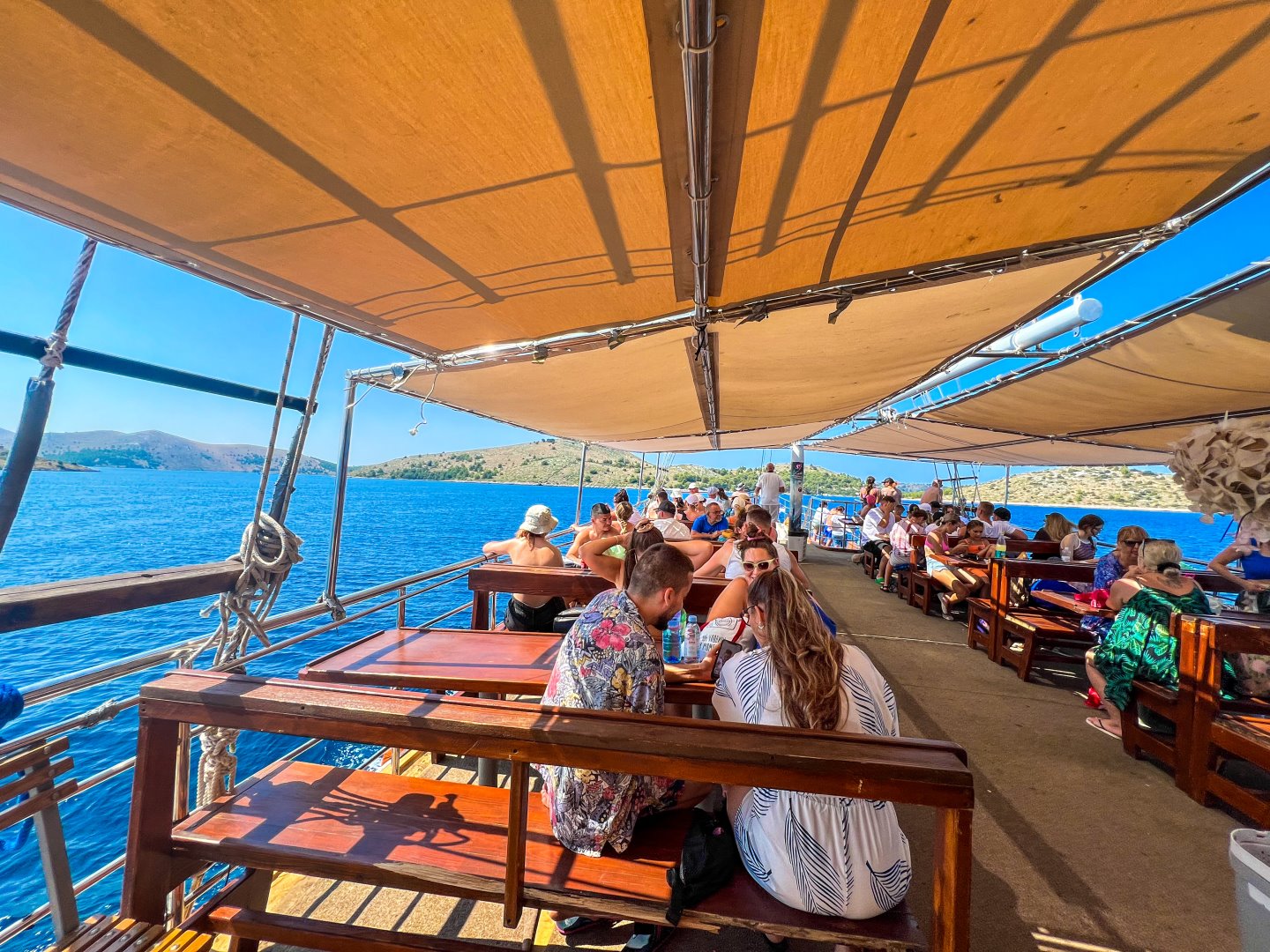
(*) Included in price: transport by boat, cruise supervisor (English, Croatian), aperitif- welcome drink, breakfast (sandwich with ham and cheese), lunch (grilled fish and salad, wine), insurance, taxes.
_________________________________________________________________
DATES OF EXCURSION: on days specified by the operator (must be booked in advance)
START: 8:00
FINISH: 17:45
DURATION OF THE EXCURSION: about 10 hours
_________________________________________________________________
SIGHTS, NATURAL WONDERS & ATTRACTIONS
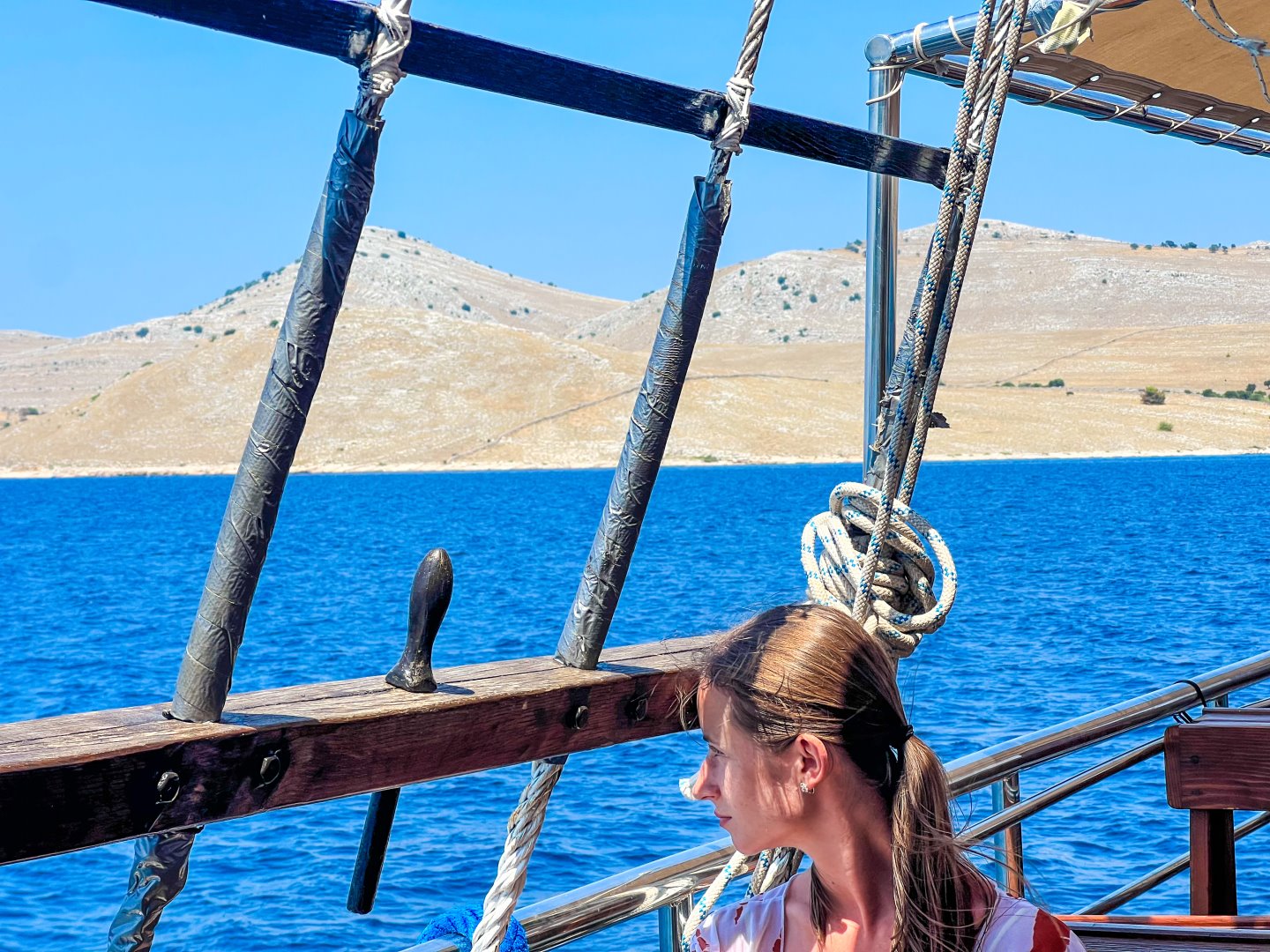
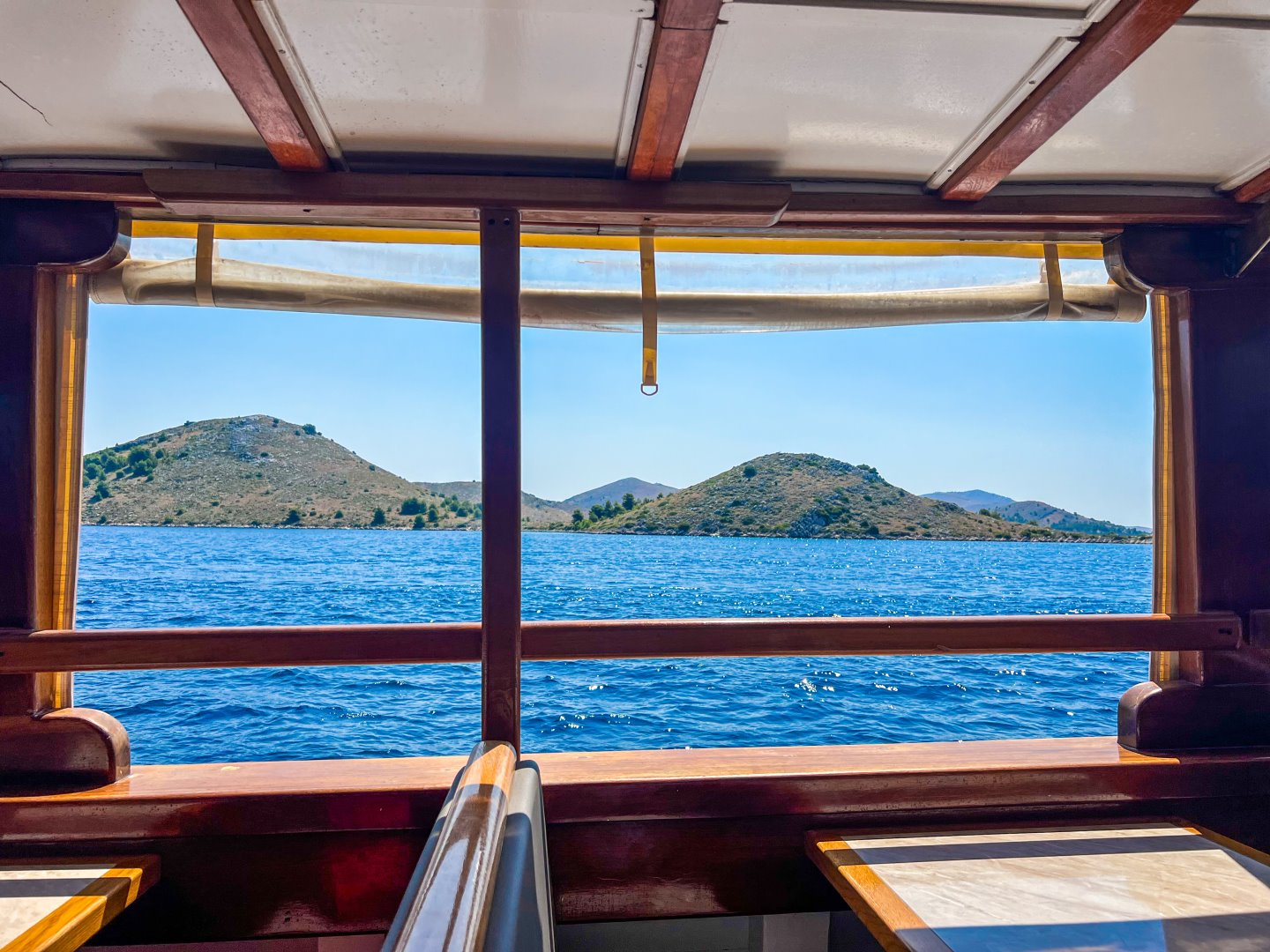
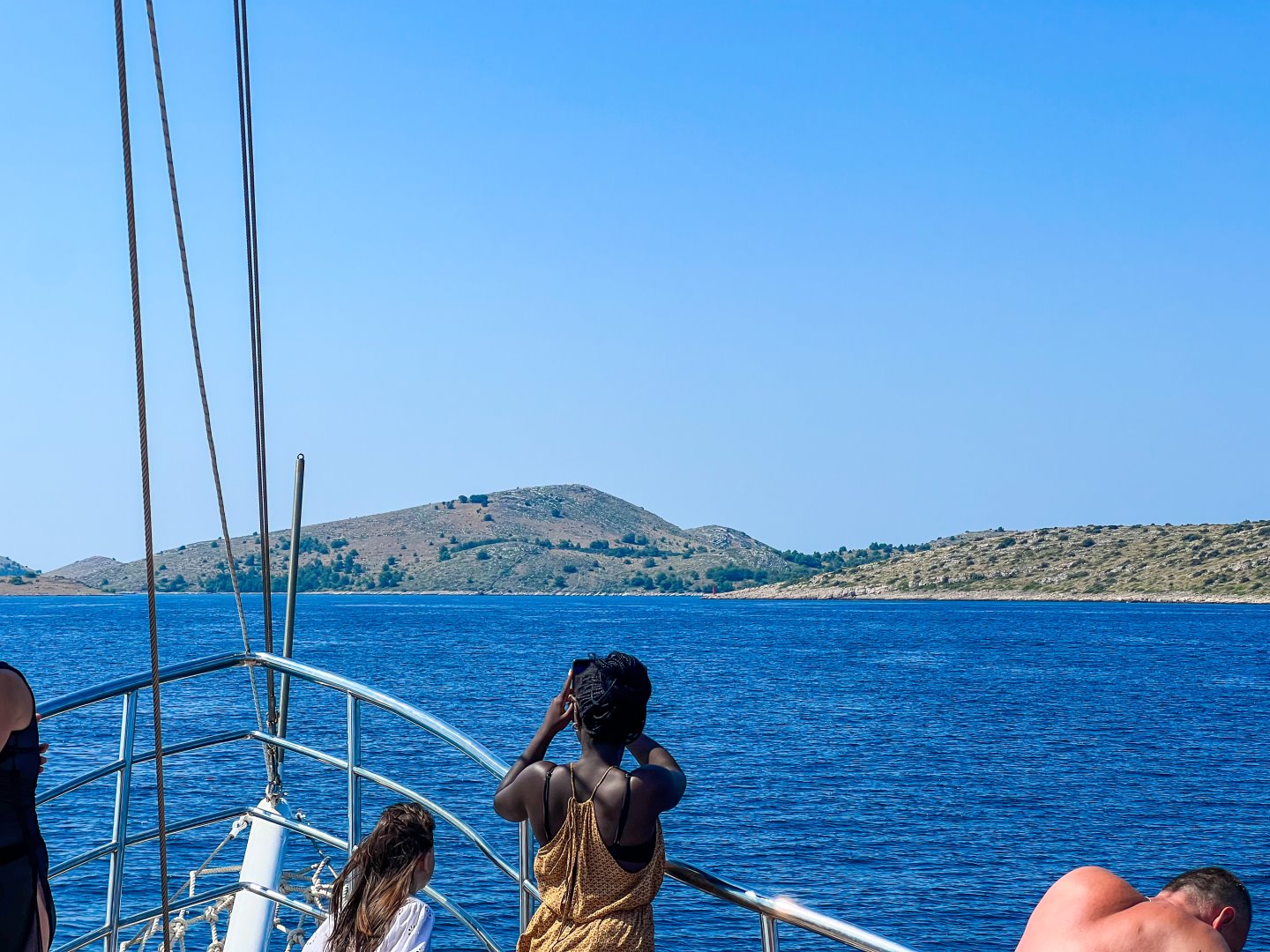
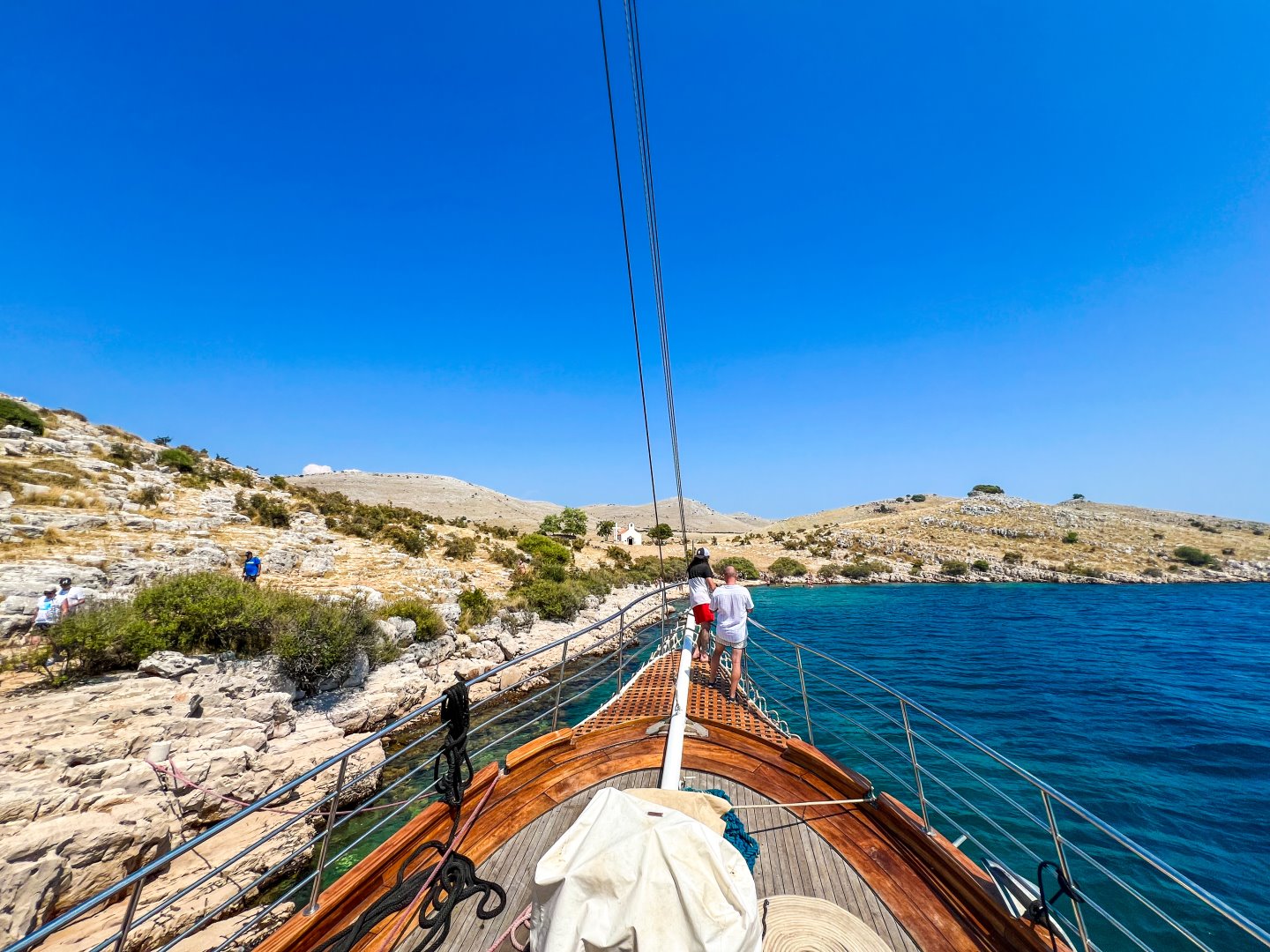
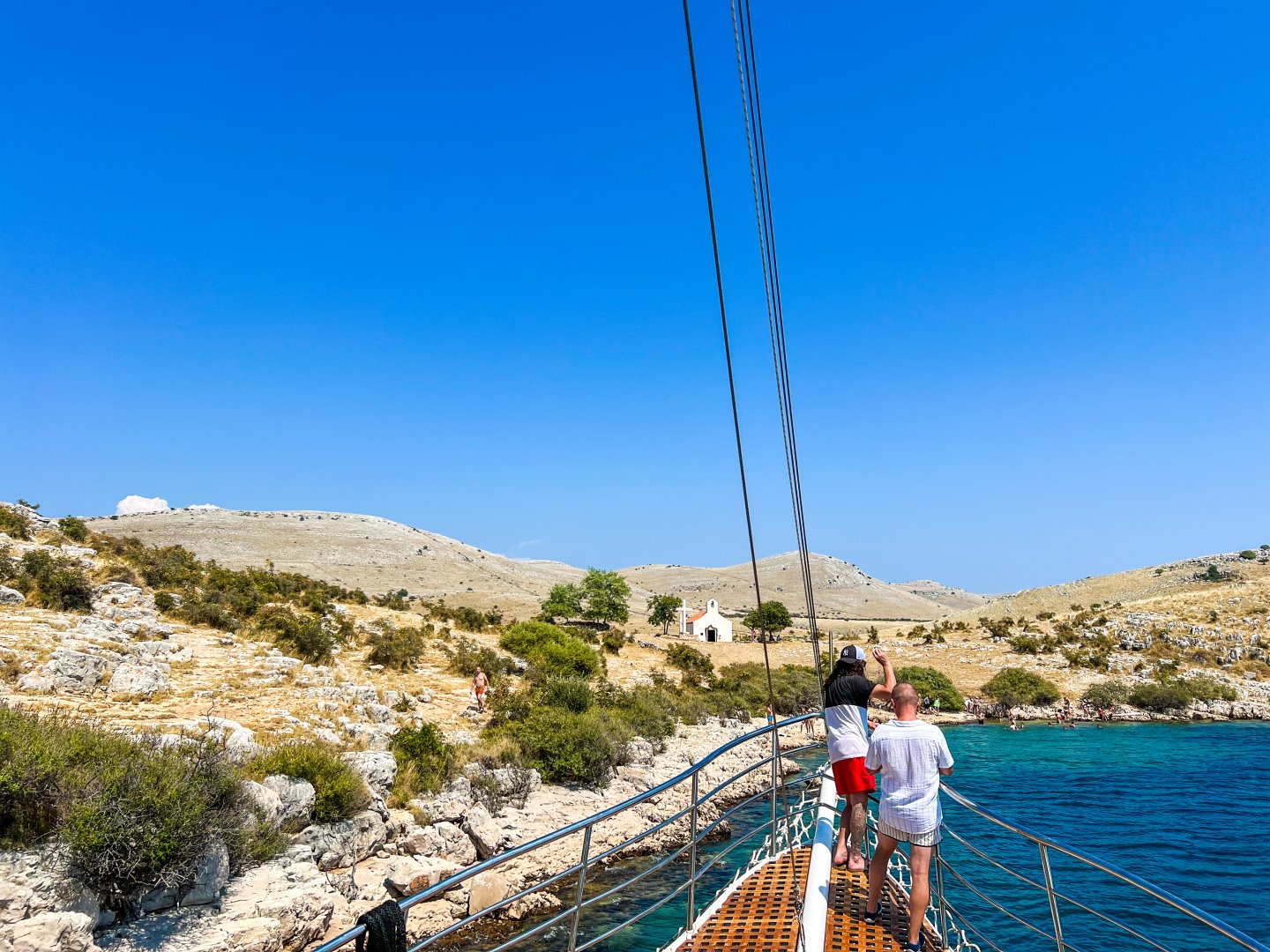
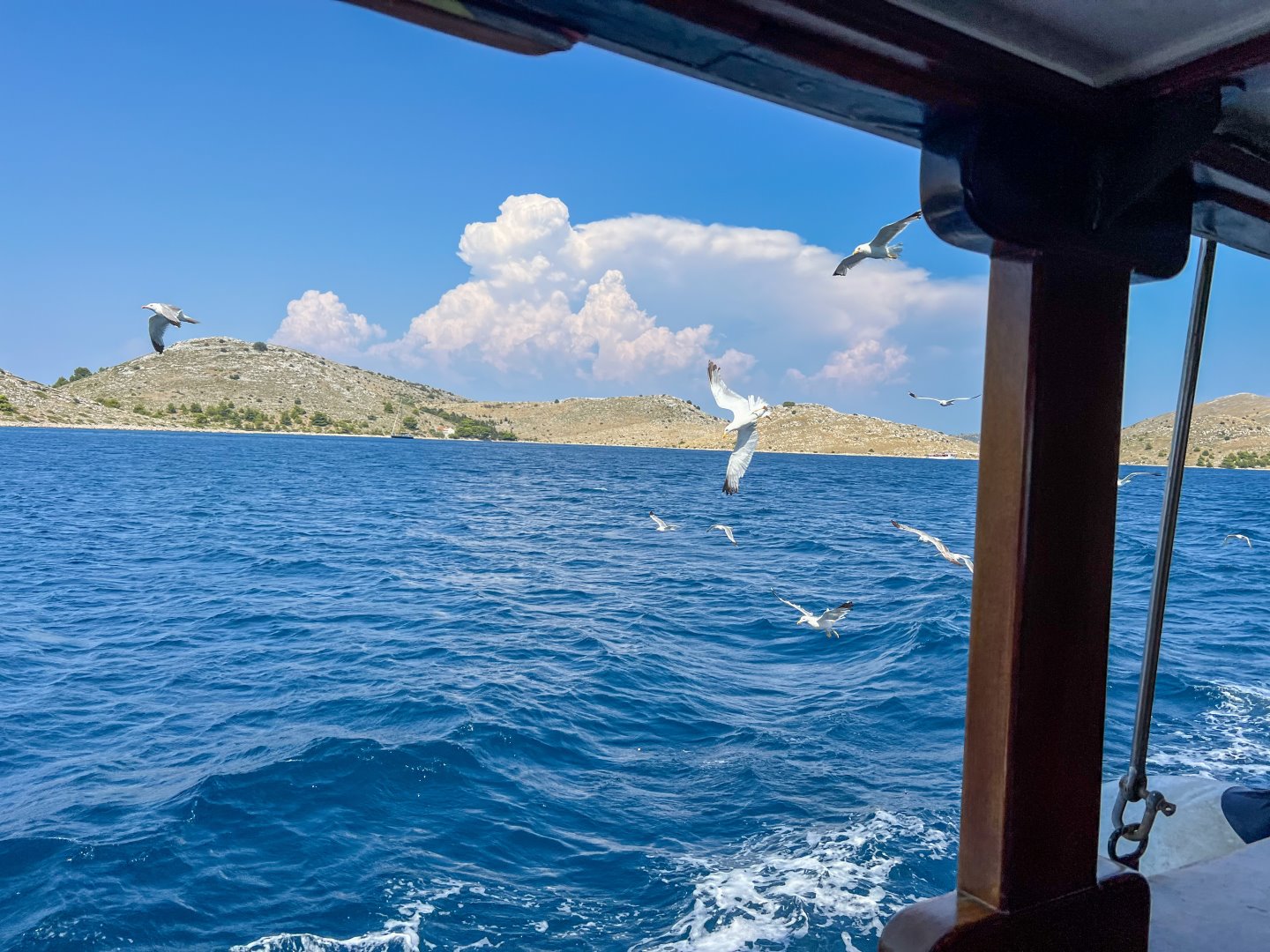
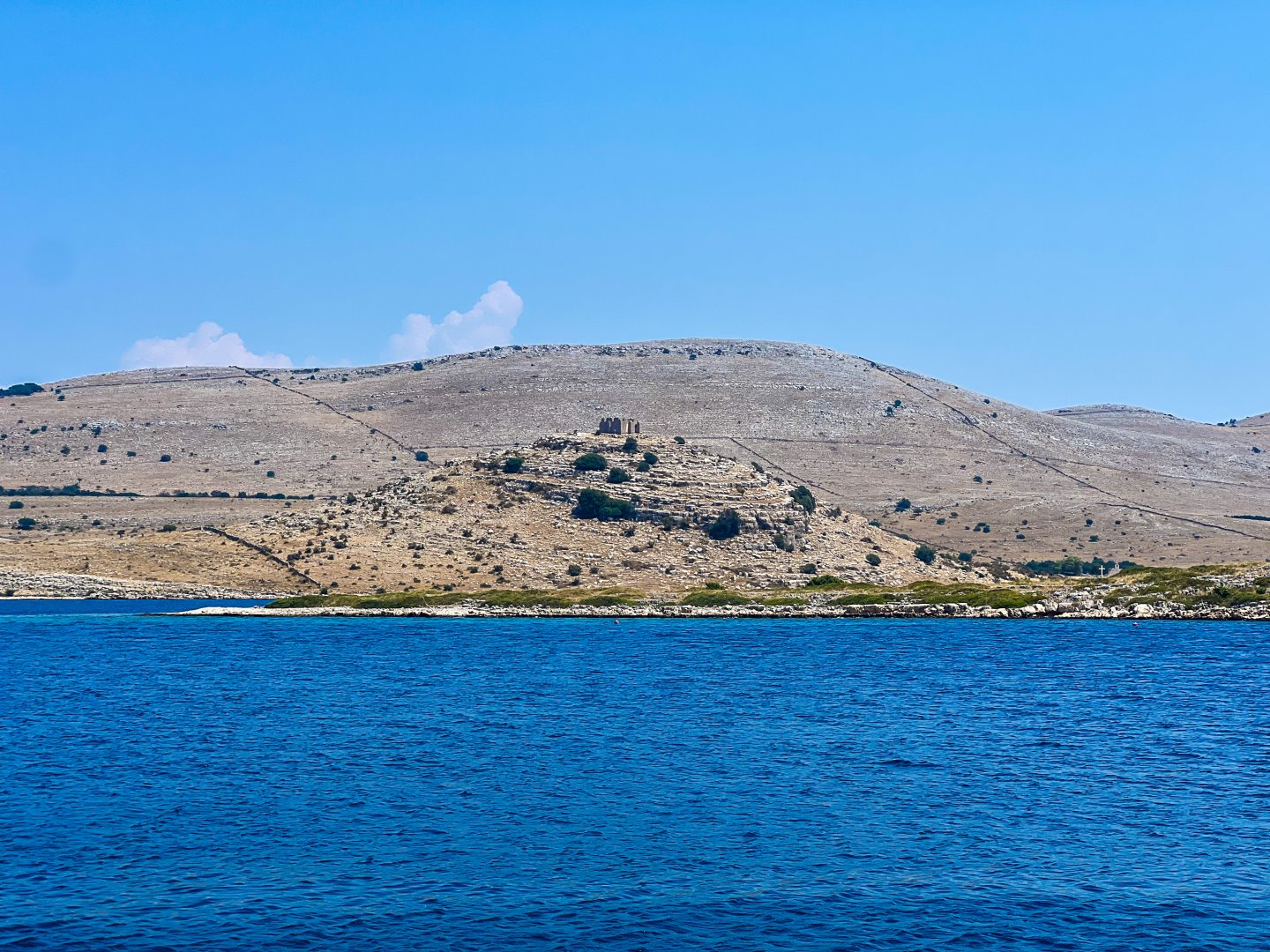
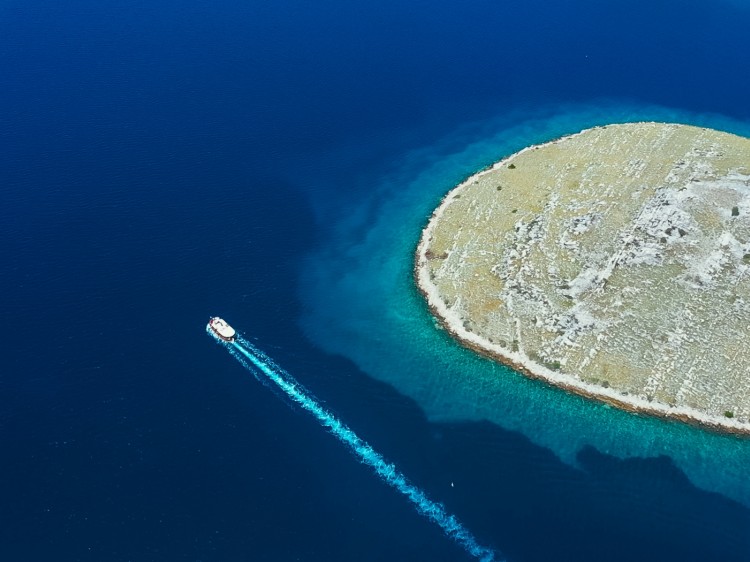
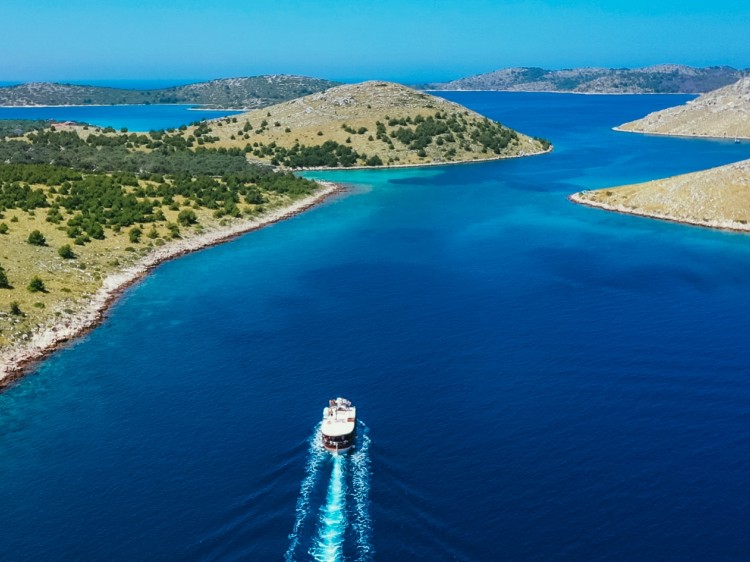
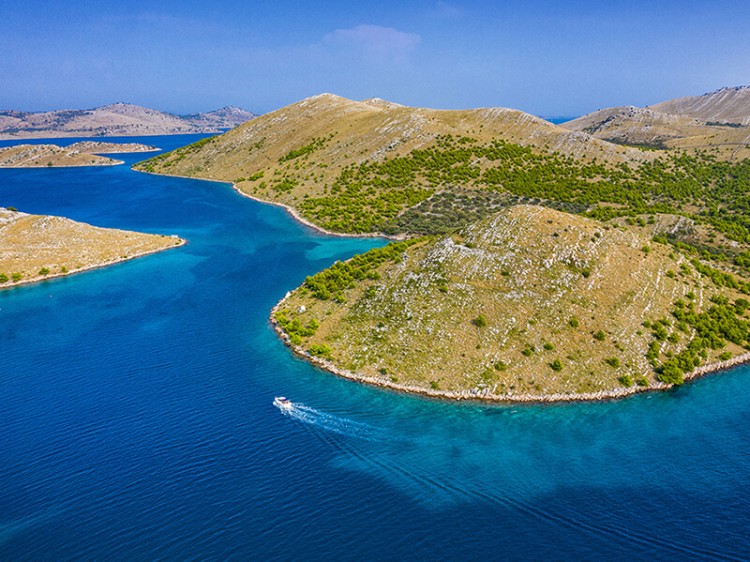
The Kornati archipelago, as a separate and special island group located between the islands of Šibenik and Zadar, covers an area of about 320 km2 and includes about 150 land units, permanently or often located above the sea. The archipelago makes up 12% of all the islands of the Croatian Adriatic – 1264 islands, of which 67 are inhabited. It has long attracted the attention of sailors, divers, mountaineers and other nature lovers.
The average area of the Kornati island is only 0.55 km2, but it should be taken into account that Kornat (32.5 km2) and Žut (14.8 km2) occupy about 70% of the mainland. If we add Piškera, Levrnak, Lavsa and Sita, we get 88% of the total land area of the Kornati archipelago (69,452,963 m2). Only nine islands are larger than one square kilometer, and 76 of them are less than one hectare.
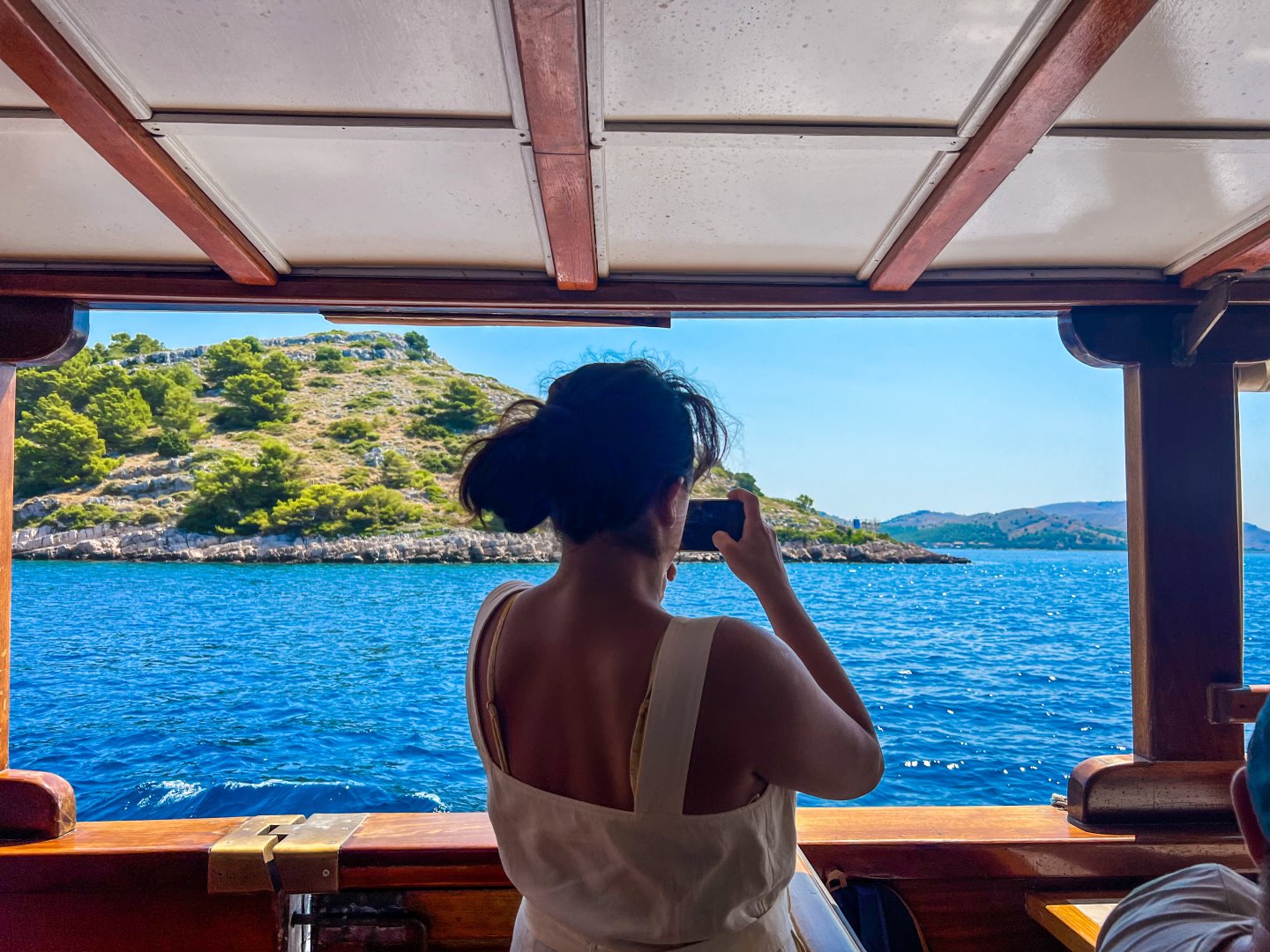
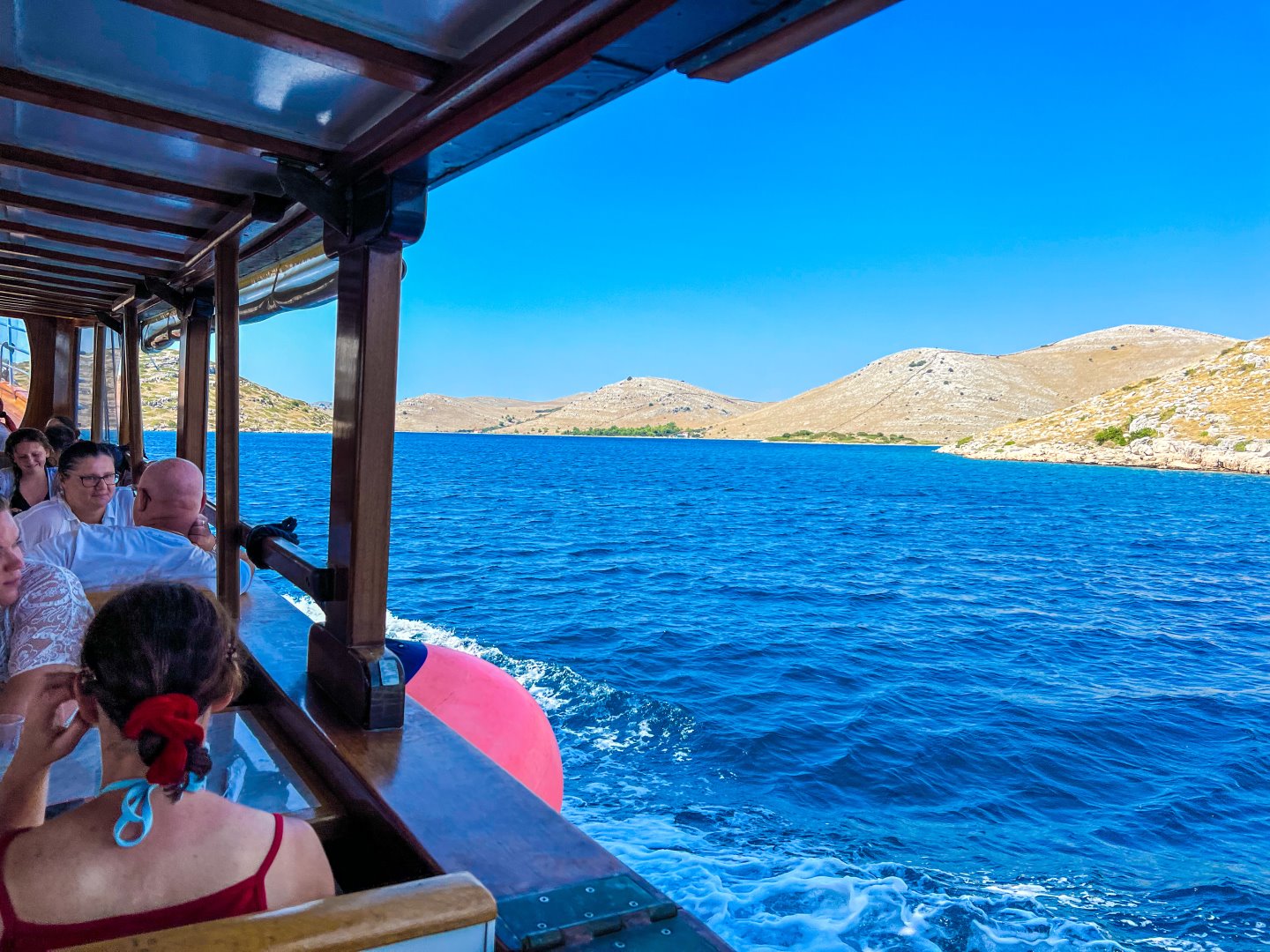
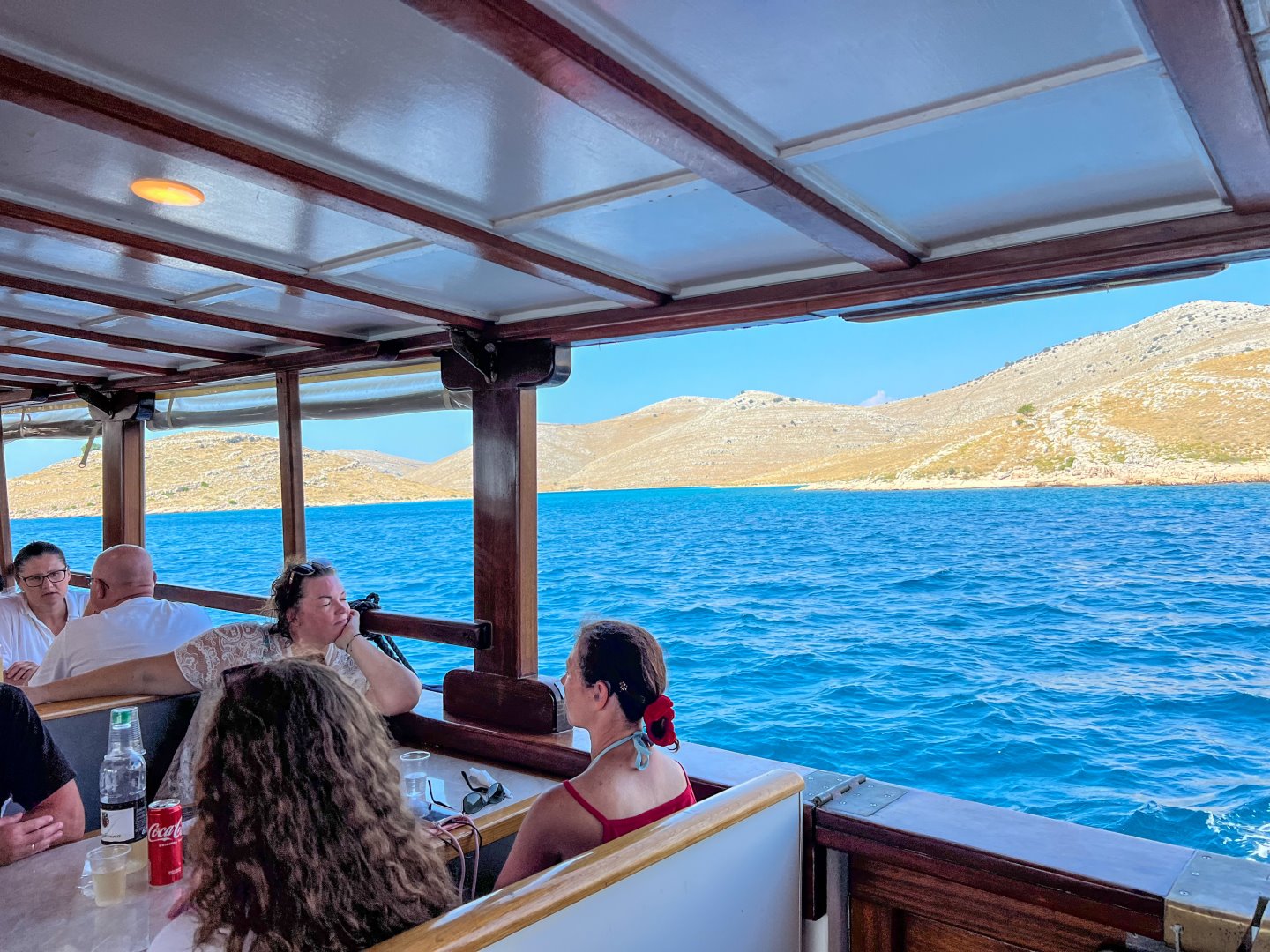
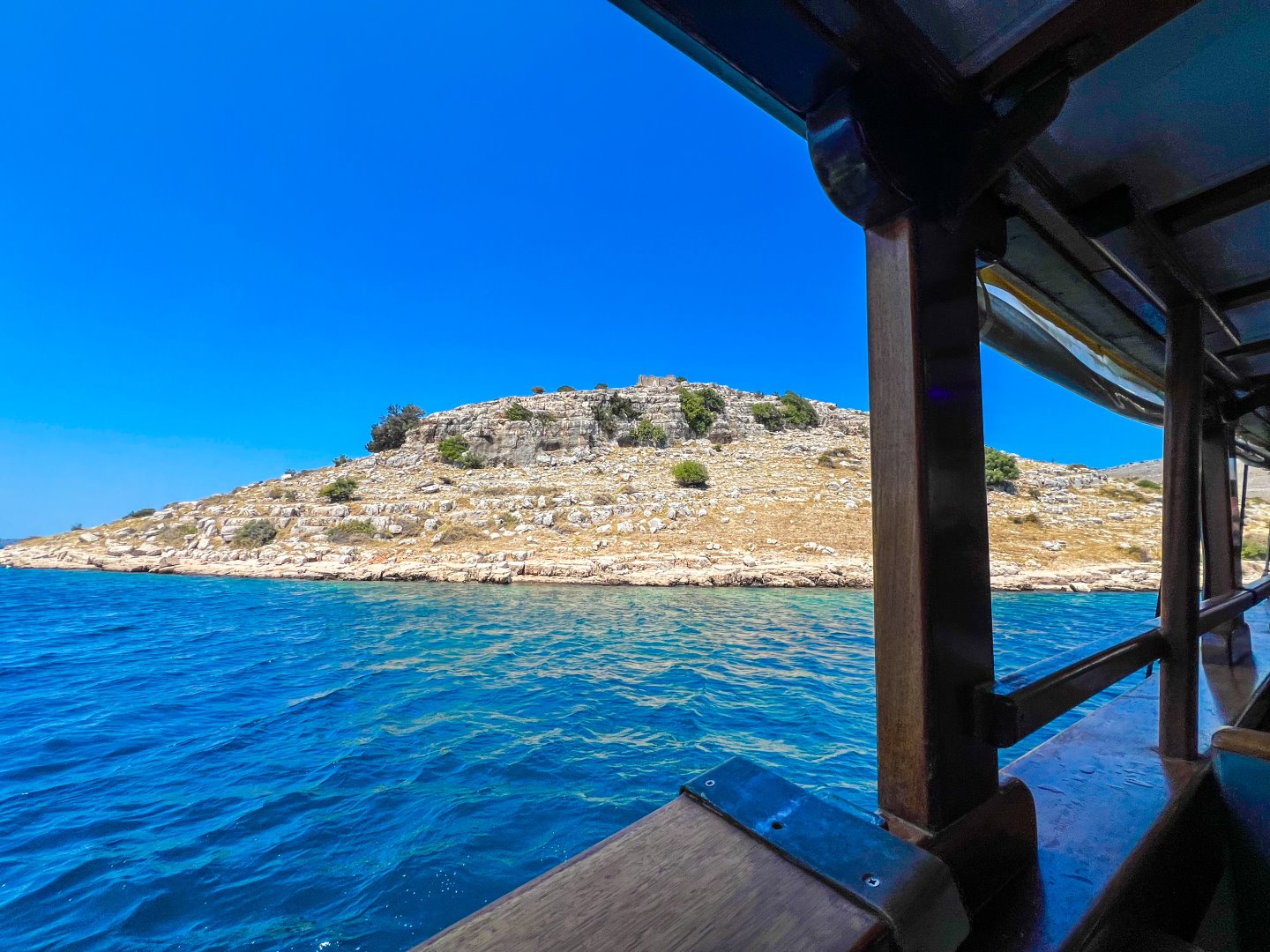
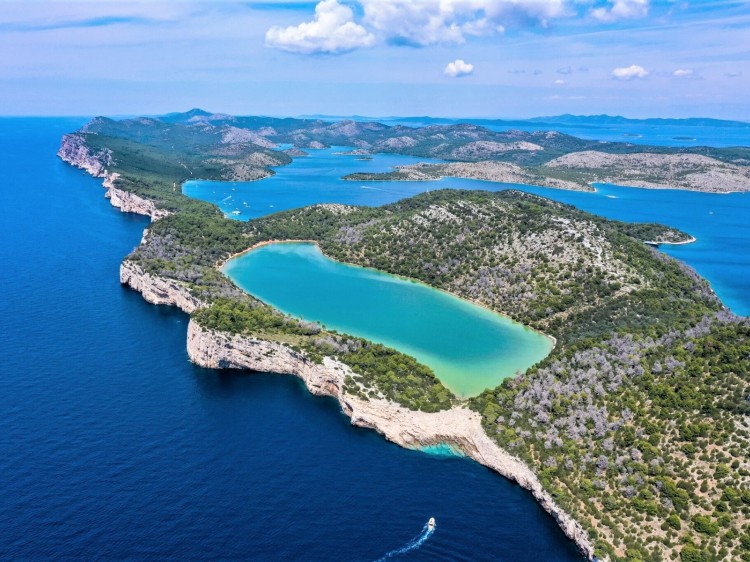
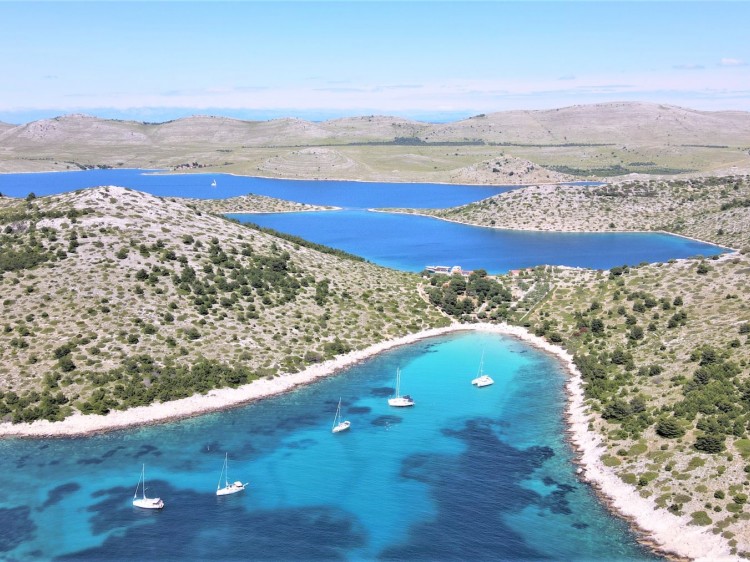
Kornati National Park covers most of the Kornati waters. Due to the exceptional landscape beauty, interesting geomorphology, extremely indented coastline, as well as the rich communities of the underwater ecosystem, the islands were declared a national park in 1980. Nowhere in the world is there such a fascinating, branched, stone labyrinth of islets as the one within the Kornati National Park. This archipelago is known as the most indented archipelago in the entire Mediterranean.
The appearance of Kornati was influenced by many factors. The islands have been developing for many years, and their beauty is that they are actually still being formed. They are shaped by the bora wind, the sun and the sparse vegetation. Throughout history, the human hand has certainly had an additional influence.
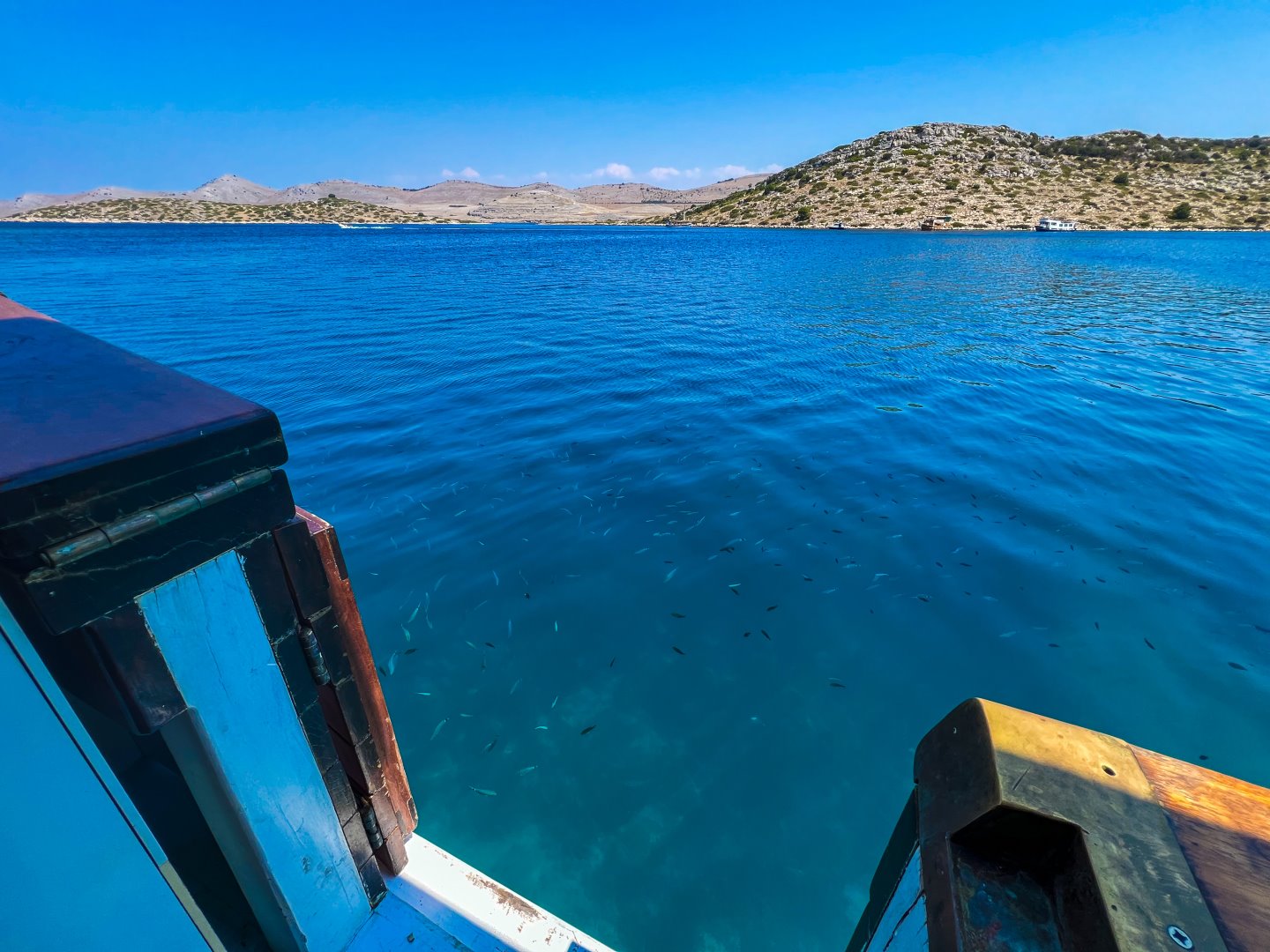
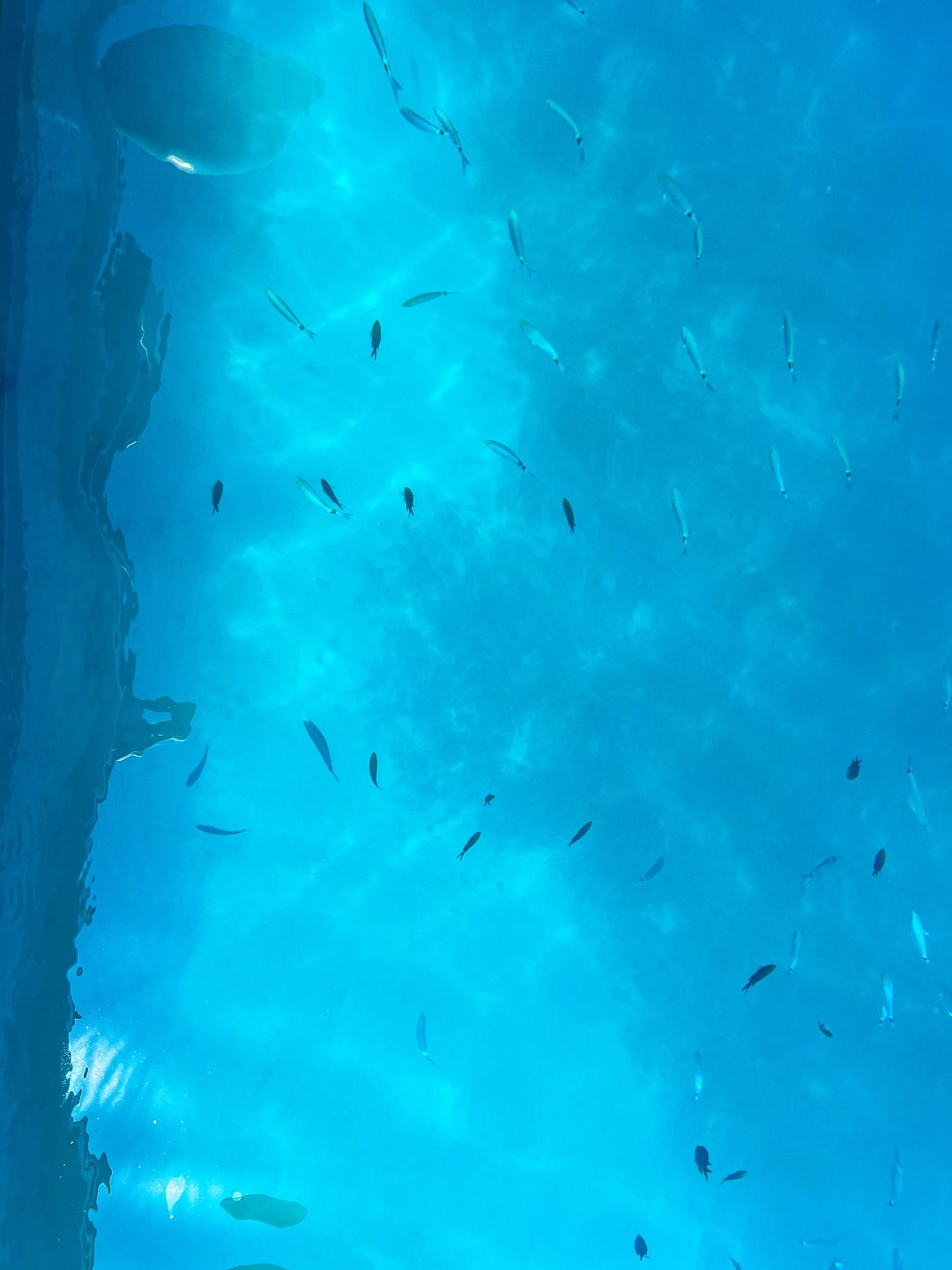
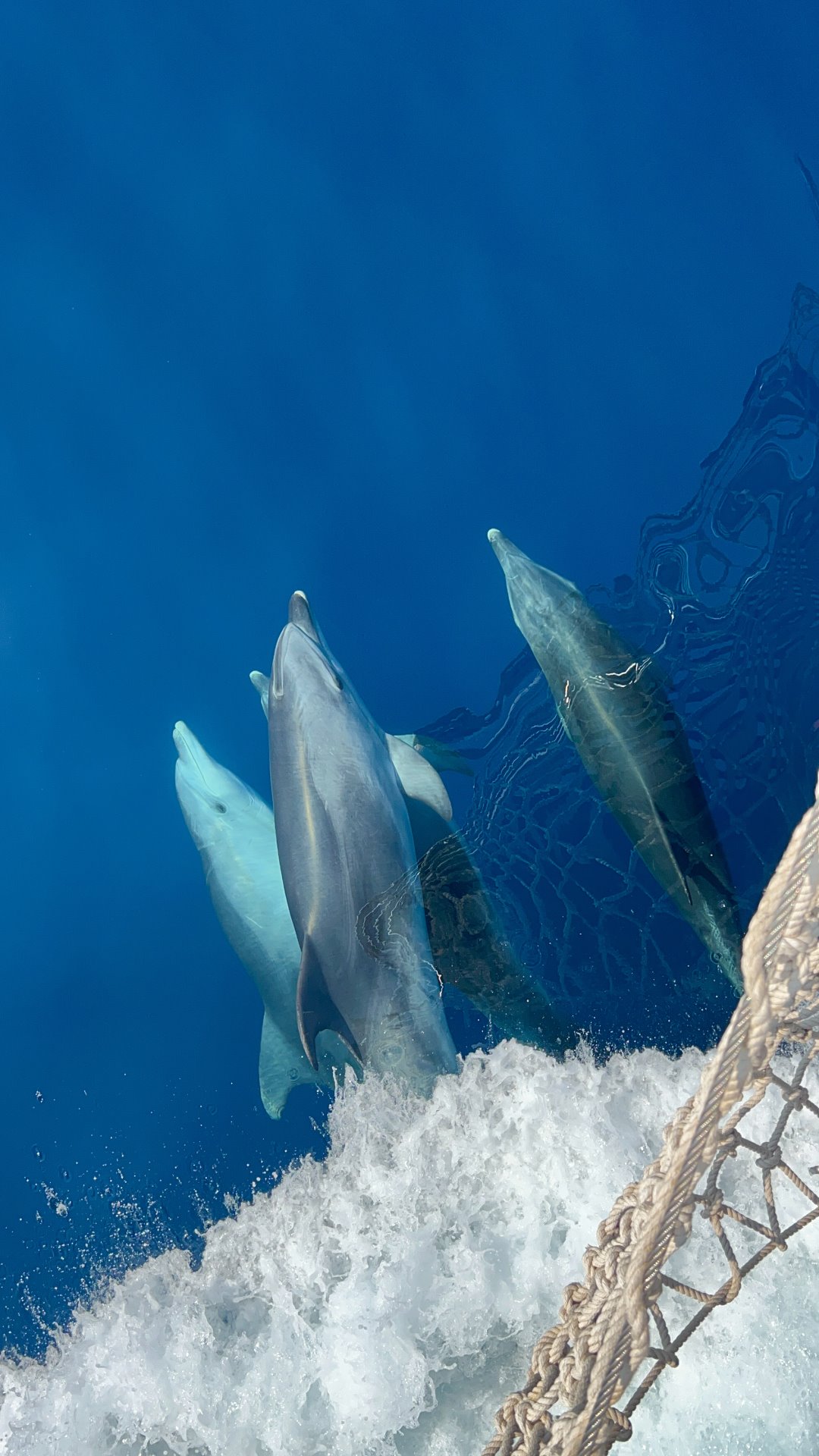
The most impressive part of the Kornati landscape are the steeps that rise on the sides of the islands facing the open sea, like those on the island of Mana. However, the National Park does not only covers islands, but also the sea waters, which are extremely valuable and rich. Flora and fauna include 300 different species of algae, hundreds of species of corals, mollusks, polychaetas, crustaceans, fish, dolphins, turtles and other organisms. Extremely important is the seagrass Posidonia, a Mediterranean endemic plant that grows only in the clear sea. This plant is often called the "lungs of the sea", and many organisms grow and develop with it, which it provides a habitat for.
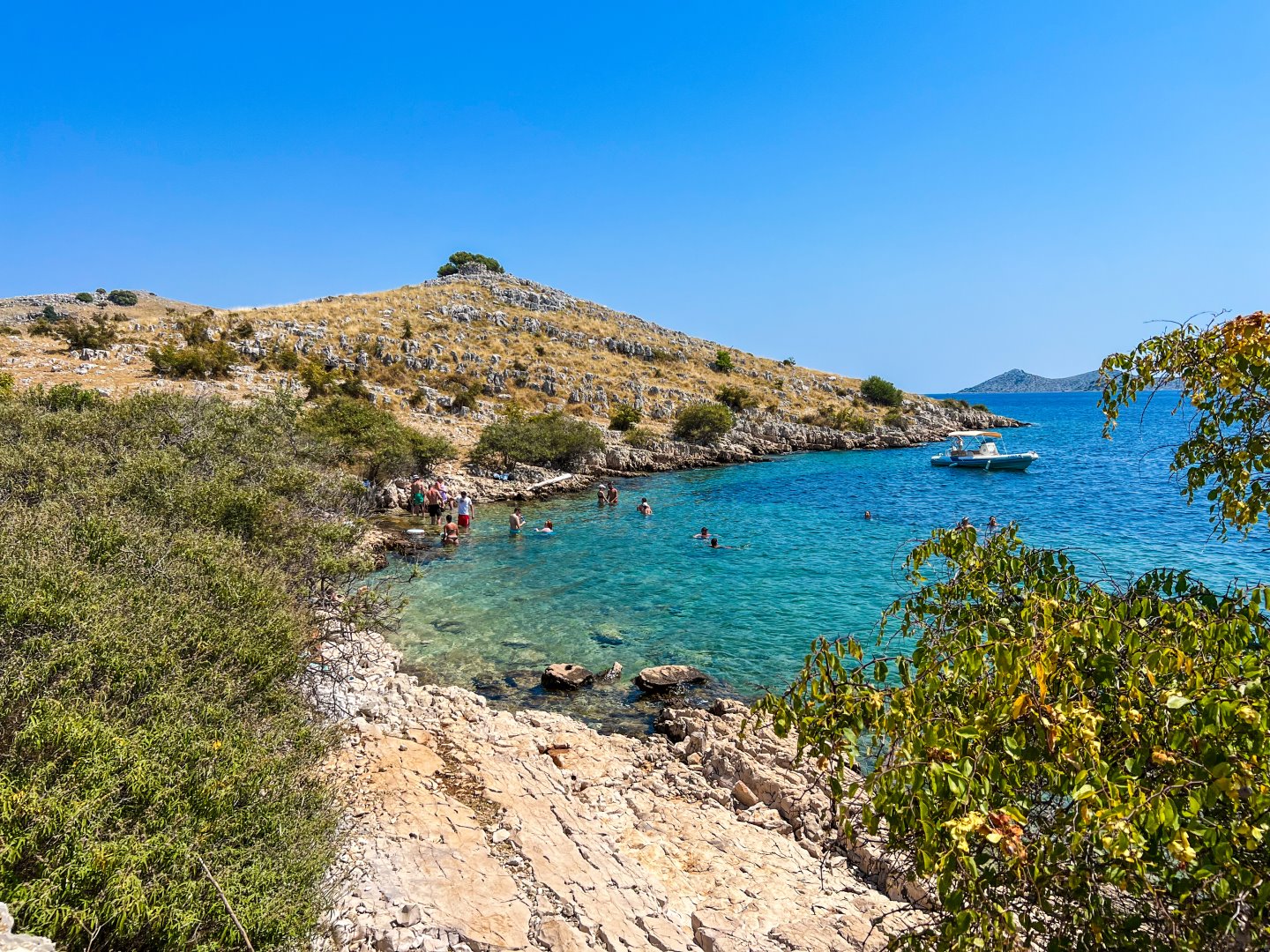
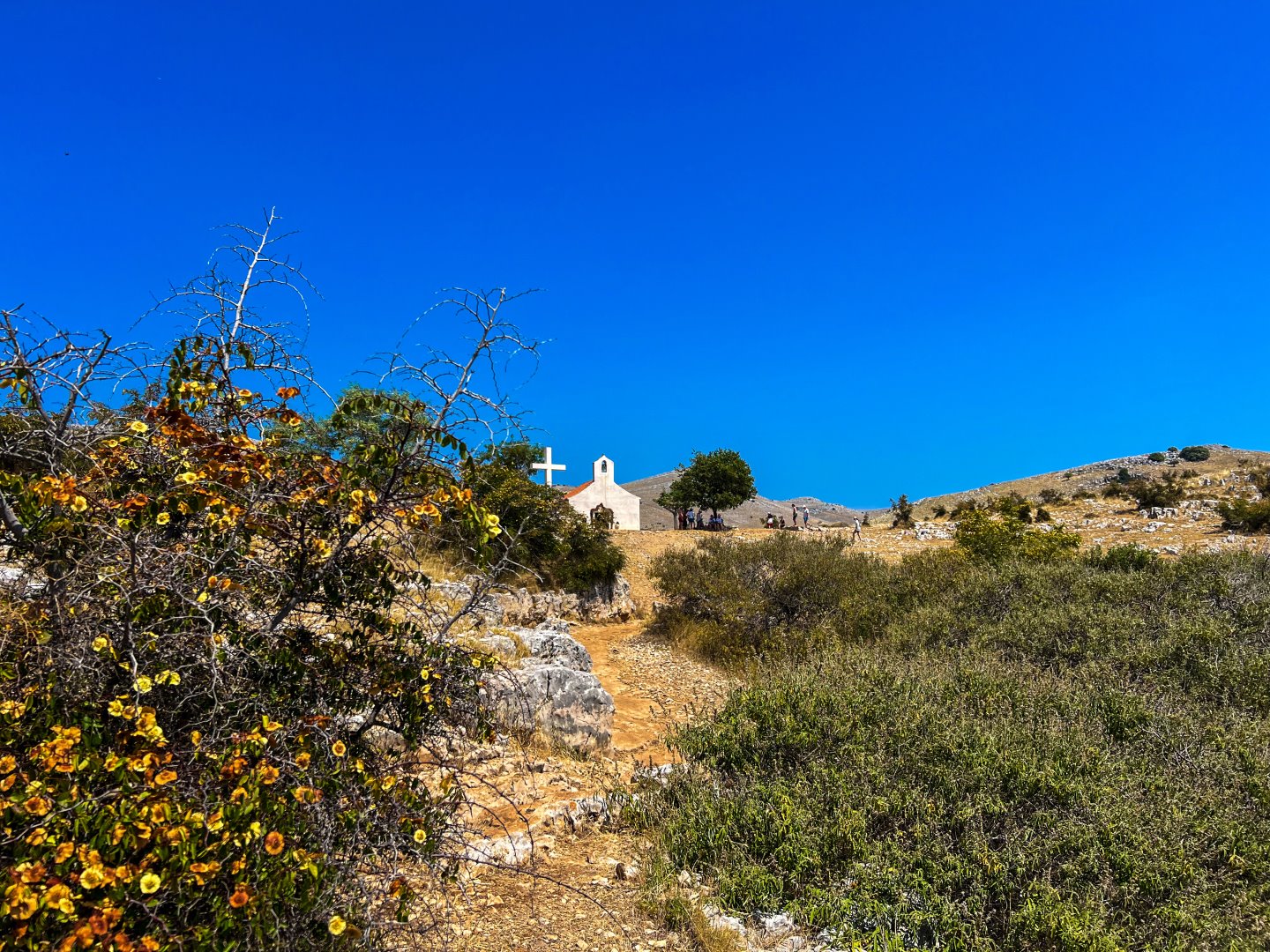
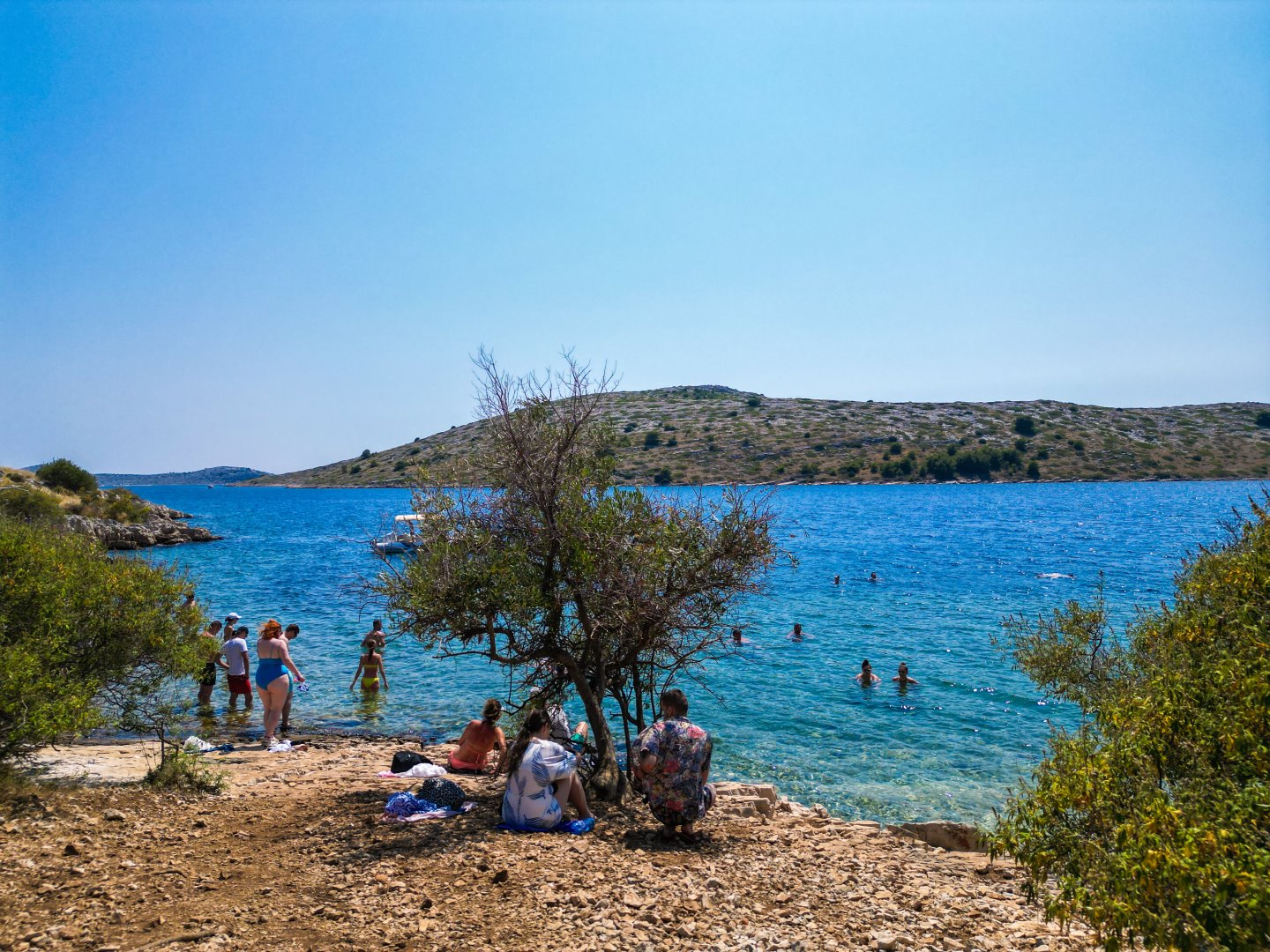
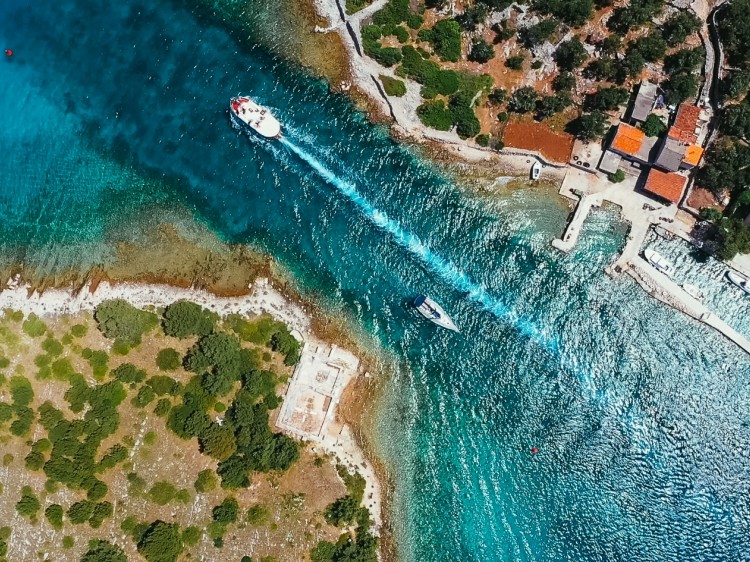
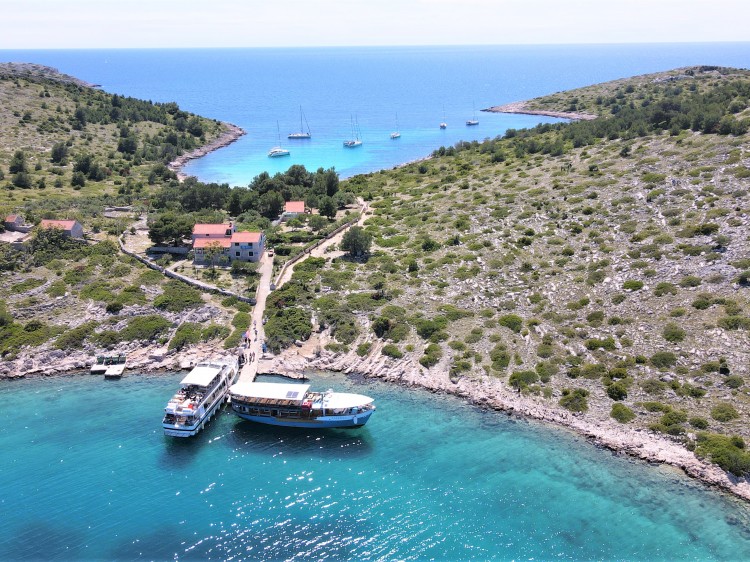
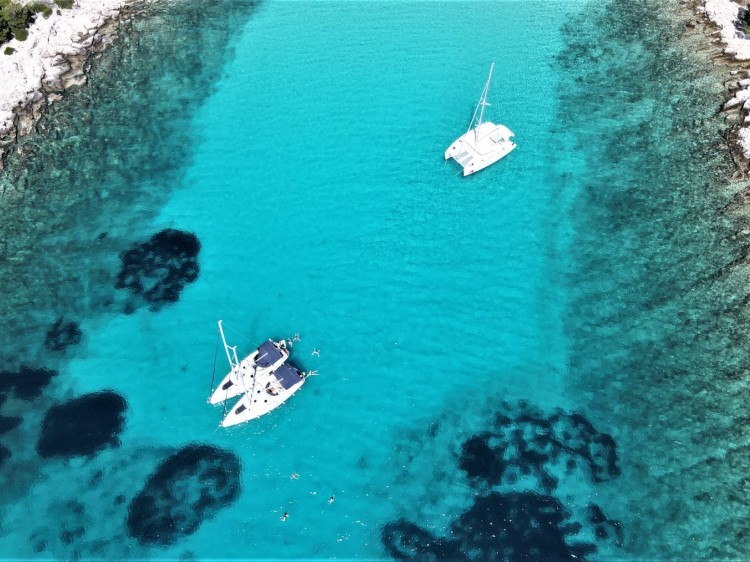
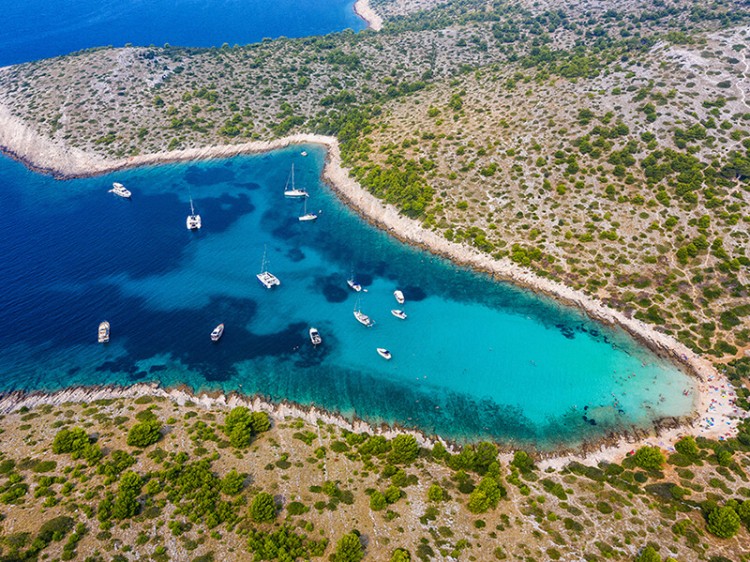
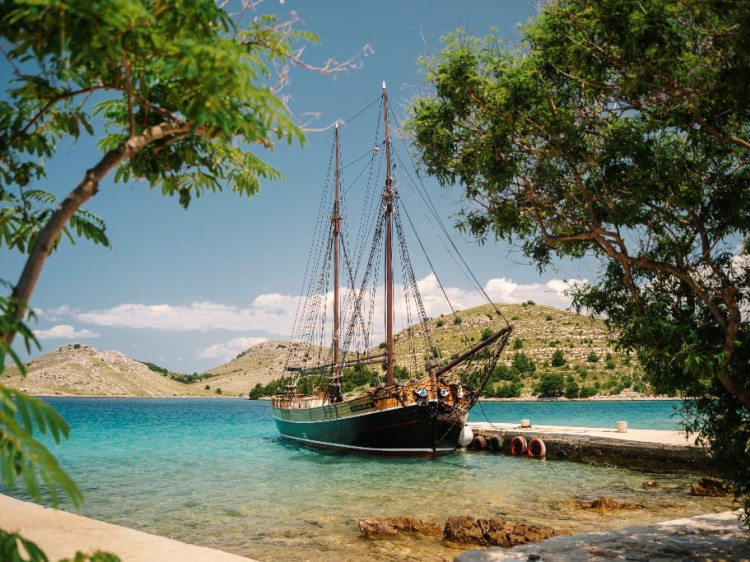
Levrnaka Island - is a beautiful, uninhabited island in the Kornati archipelago. Its area is 1.84 km² and the length of the coastline is 10,206 km. On the southwest side of the island is Lojena beach. It is a picturesque bay with white pebble shore and sandy sea bottom. The water here is turquoise blue and almost reminiscent of the Caribbean. A short hike to the island’s 110-meter-high elevation is also recommended. From up here you can enjoy a magnificent view.
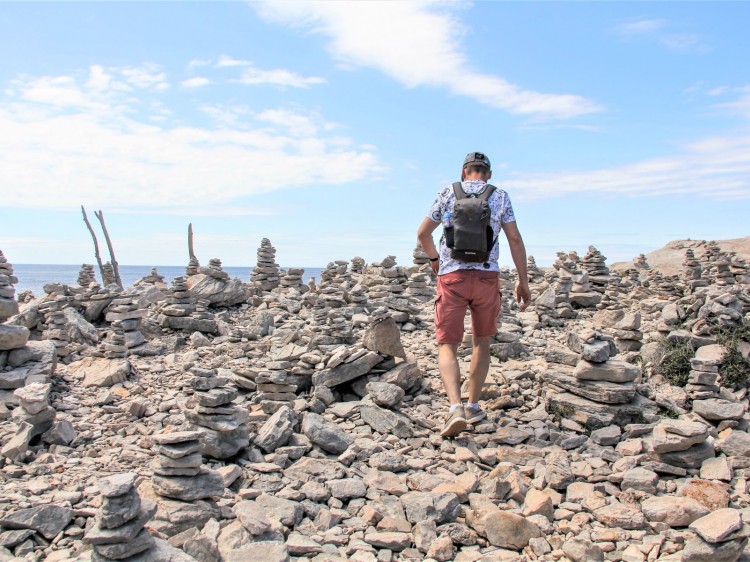
Kornat Island - The largest (32.44 km2) island of the famous "lunar" archipelago of the Kornati Islands. It was from here that he received his name. It includes 89 islands, islets and rocks. The archipelago stretches between Zadar and Szybenik and the National Park was established in 1980 with the aim of protecting the region's natural biodiversity. Most of the islands are uninhabited, they lack sources of fresh water and greenery, which does not mean that there are no plants and animals that feel perfect in these sunny conditions. The most significant wealth of fauna and flora we meet underwater. The bright colour of the rocks, and the sharp outlines of the coast make Kornati look like pyramids dived into the depths of the sea. This view impresses.
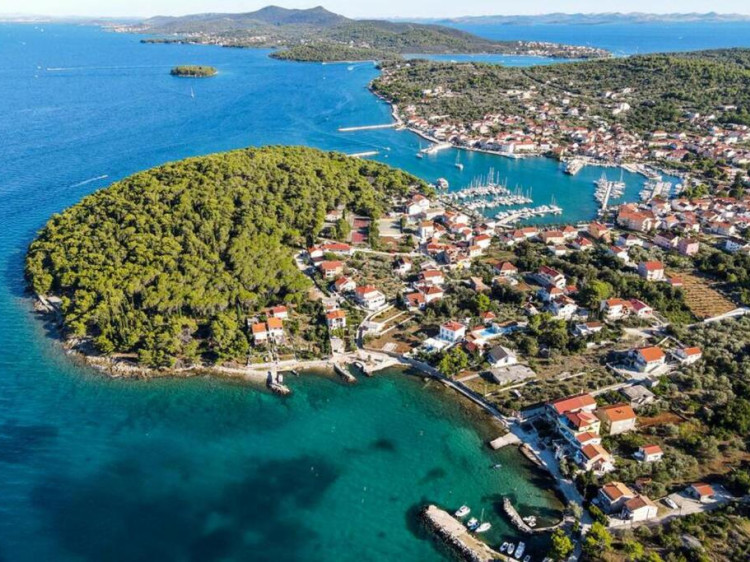
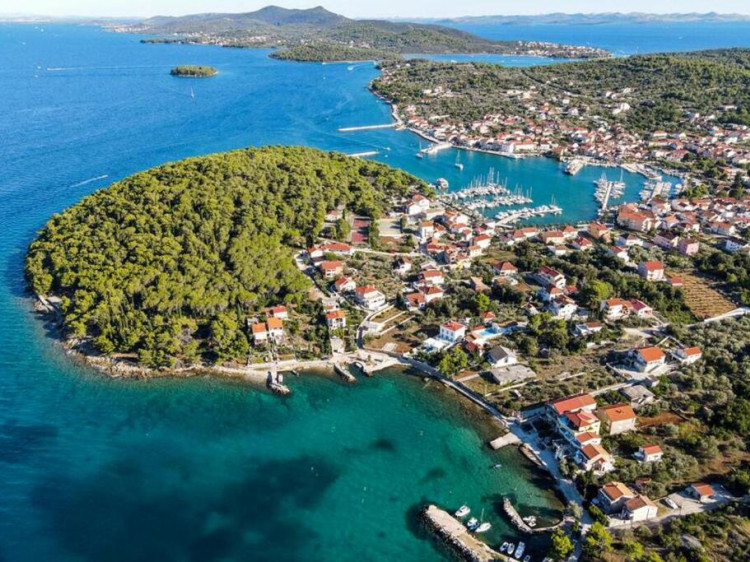
Ugljan Island - The island of Ugljan covers 71km2 and is separated from the coast by the Zadar Canal (2-5 km wide). From Zadar to the island practically every hour there are ferries and passenger ships - it is the busiest ferry line in the entire Adriatic, there is no other island in Croatia with a better connection to the mainland.
Ugljan is called the green gardens of Zadar because many residents of the city have their summer houses, gardens, fields and olive groves here. Olives have been grown in this place at least since the times of the Illyrians and the process of pressing oil is specific (olives are soaked in seawater). In Roman times, there was a large port here, from which oil was transported to various corners of the empire.
In addition to plantations, the island is covered with pine forests and thickets of Mediterranean maquis.
Among the lush vegetation, there are old Croatian churches, monasteries, island stone buildings and holiday villas from ancient times.
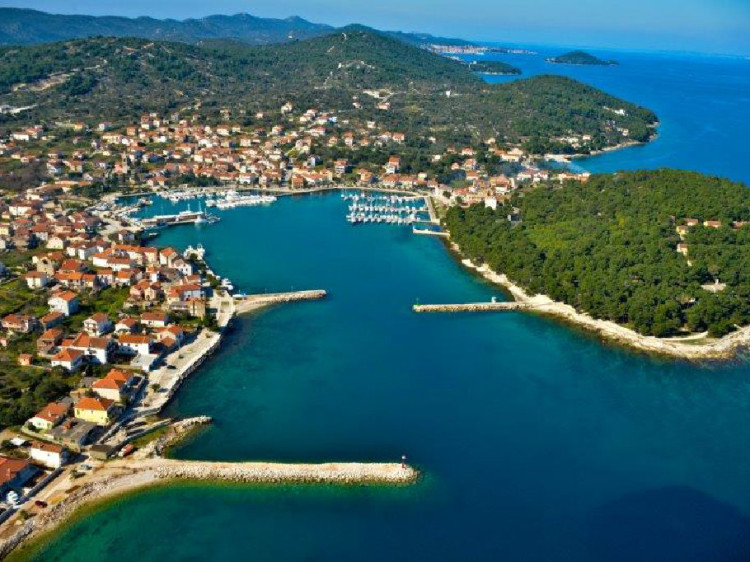
The northern parts of the island are inhabited, here are the main, traditional fishing towns, while the southern coast is practically untouched and wild, offering plenty of picturesque bays and hidden beaches with crystal clear water and beautiful views.
Ugljan and the neighbouring islands create ideal conditions for cycling, you can discover here many semi-wild roads in uninhabited areas, where only nature, wonderful views and the blue colour of the sea and cloudless sky await cyclists.
Ugljan is connected to the neighbouring island of Pašman by a bridge under which our ship passes on the way to the Kornati.
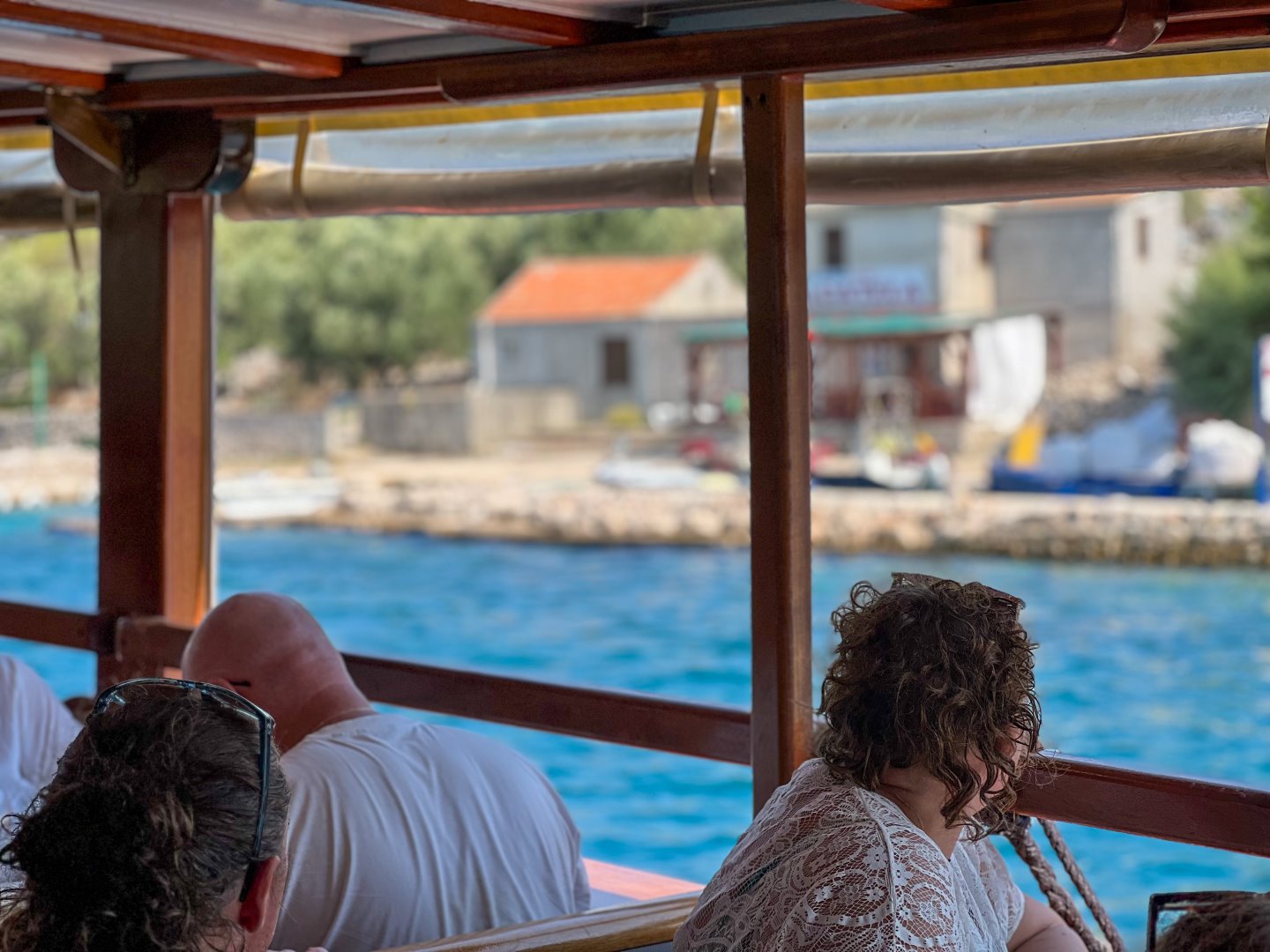
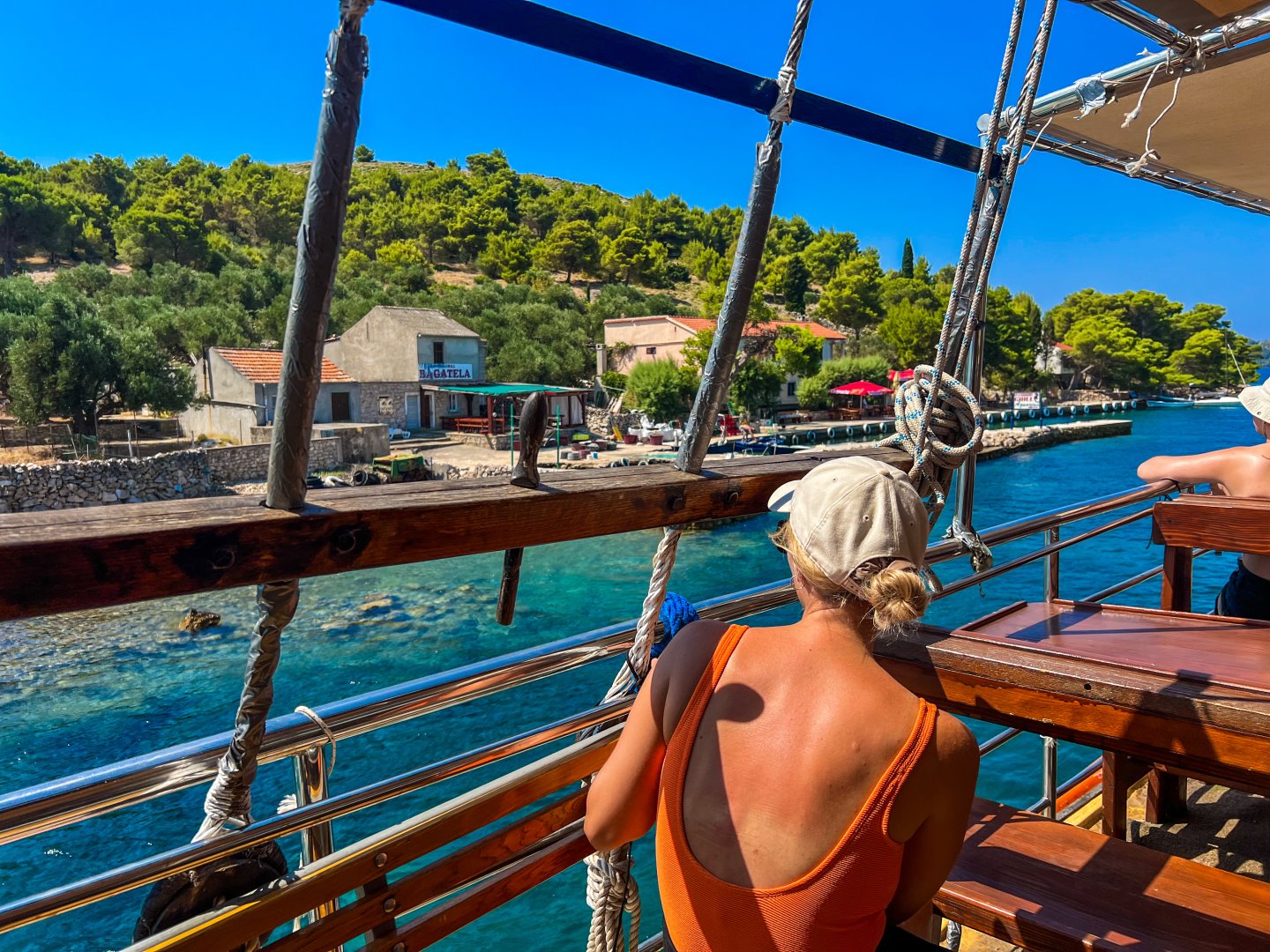
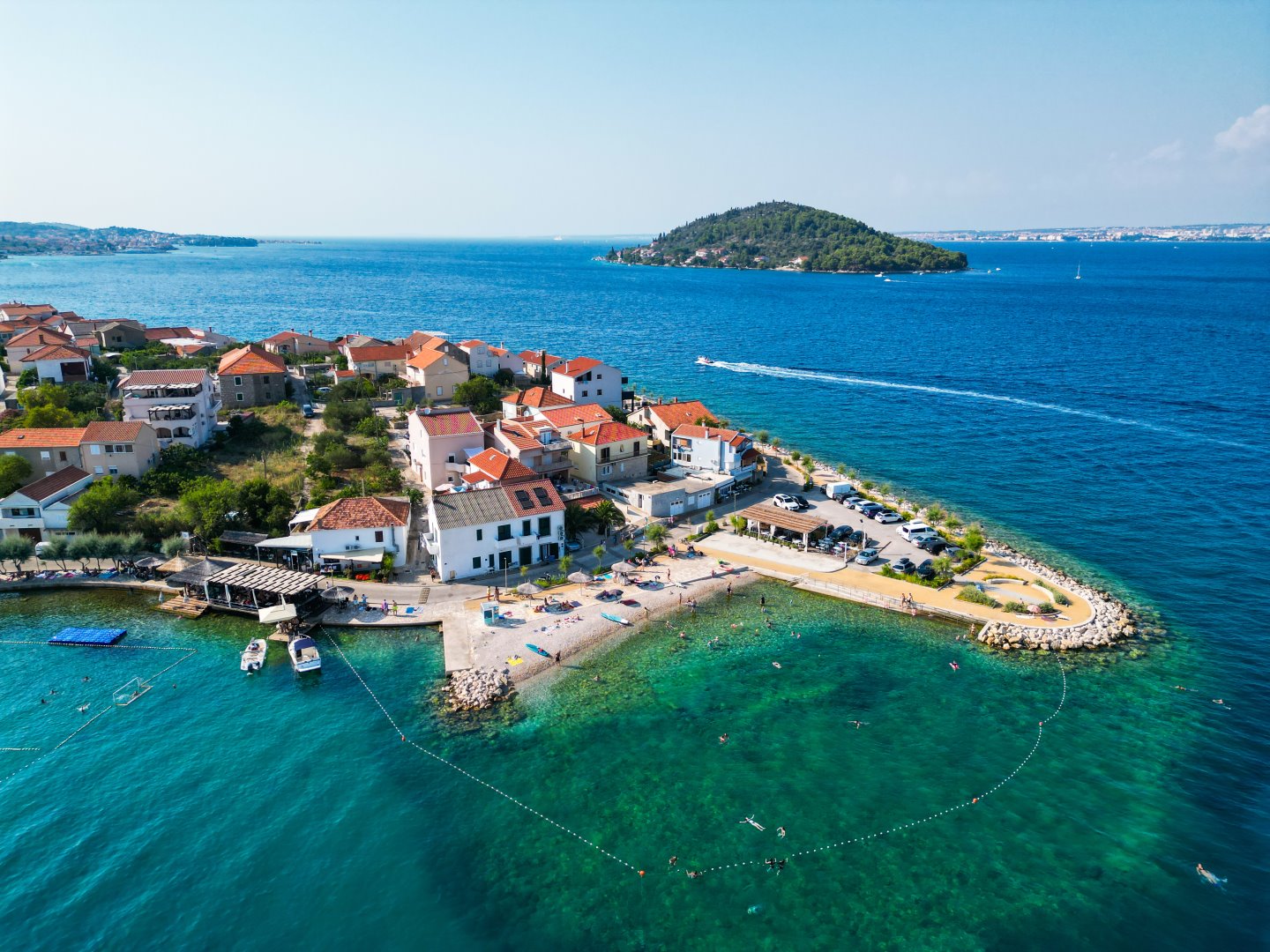
Kali - a small village, extending approximately 15 km situated on the southern part of Ugljan island. Kali was first mentioned in a document dating back to 1299 AD, however the archeological findings at Orjak hill prove that it has been inhabited since prehistory.
Kali fishermen, the most famous fishermen in the world, indeed have a claim to fame. Besides putting bread on their table (and sardines), the fishing craft simply runs in their blood. Since the 19th century, fishing gear can be spotted all over Kali. There isn’t a family in Kali that hasn’t bred a fisherman. Fishing in Kali started developing more intensely in the 19th century. As fish is scarce close to the shore, Kali fishermen had to sail out into Zadar channel and the open sea of the Adriatic to look for it. They specialized in tuna fishing using purse seine nets, and since mid-20th century, they have been using purse seine nets to catch small pelagic (blue) fish. Kali fishermen are also employed all around the Mediterranean Sea, the Atlantic and the Pacific Ocean.
Villagers have been growing olives and producing olive oil for centuries. Olives are also the main crop, habitually cultivated in an eco-friendly way. Kali boasts of one of the largest oil mills on Zadar islands.
It is not unusual for Croatian towns and villages to have unique dialects, distinct from the closest town, even the village next door. Kali is famous in the Zadar archipelago for its archaic local (chakavian) dialect, locally called ‘kualjski govor’. Instead of standard Croatian ‘more’ (sea), the locals say ‘muore’ (sea), replacing the vowel ‘o’ with a diphthong ‘uo’. Used habitually by both younger and older generations, Kali inhabitants have thus expressed love for their village for over decades.
Definitely the most popular beach in Kali is Batalaža, situated in a small bay. If you're not into pebbles, there's a paved sunbathing area on the beach, and in the coffee shop Mavra you can cool down with a cold beverage. Batalaža has it all, so there are deck chairs and parasols provided for the visitors. Since it's a bay, the water is almost always calm and warm. You can also take a walk by the seaside. In the vicinity of the beach there are several restaurants offering delicious fish specialties.
_________________________________________________________________
CRUISE SCHEDULE
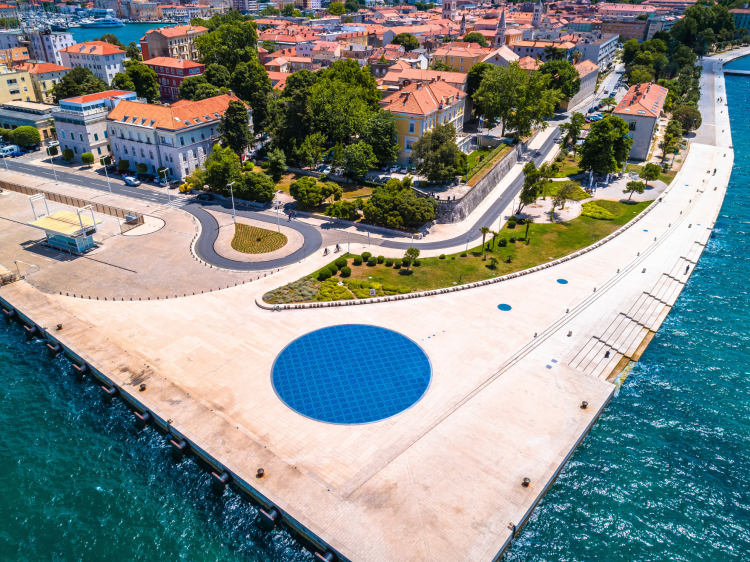
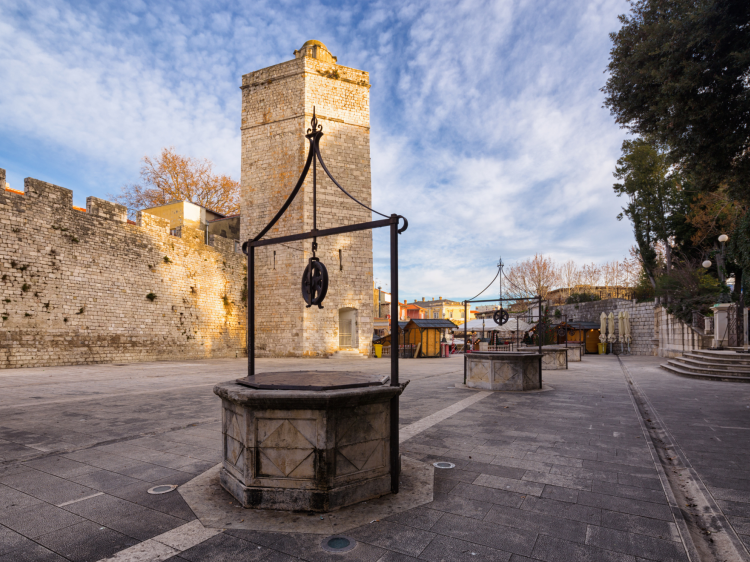
7:30 ZADAR, excursion port in the old city, next to the pedestrian bridge - Liburnska Obala ( GPS 44.116240, 15.228428 )
- meeting with the crew and boarding
8:00 Departure from Zadar
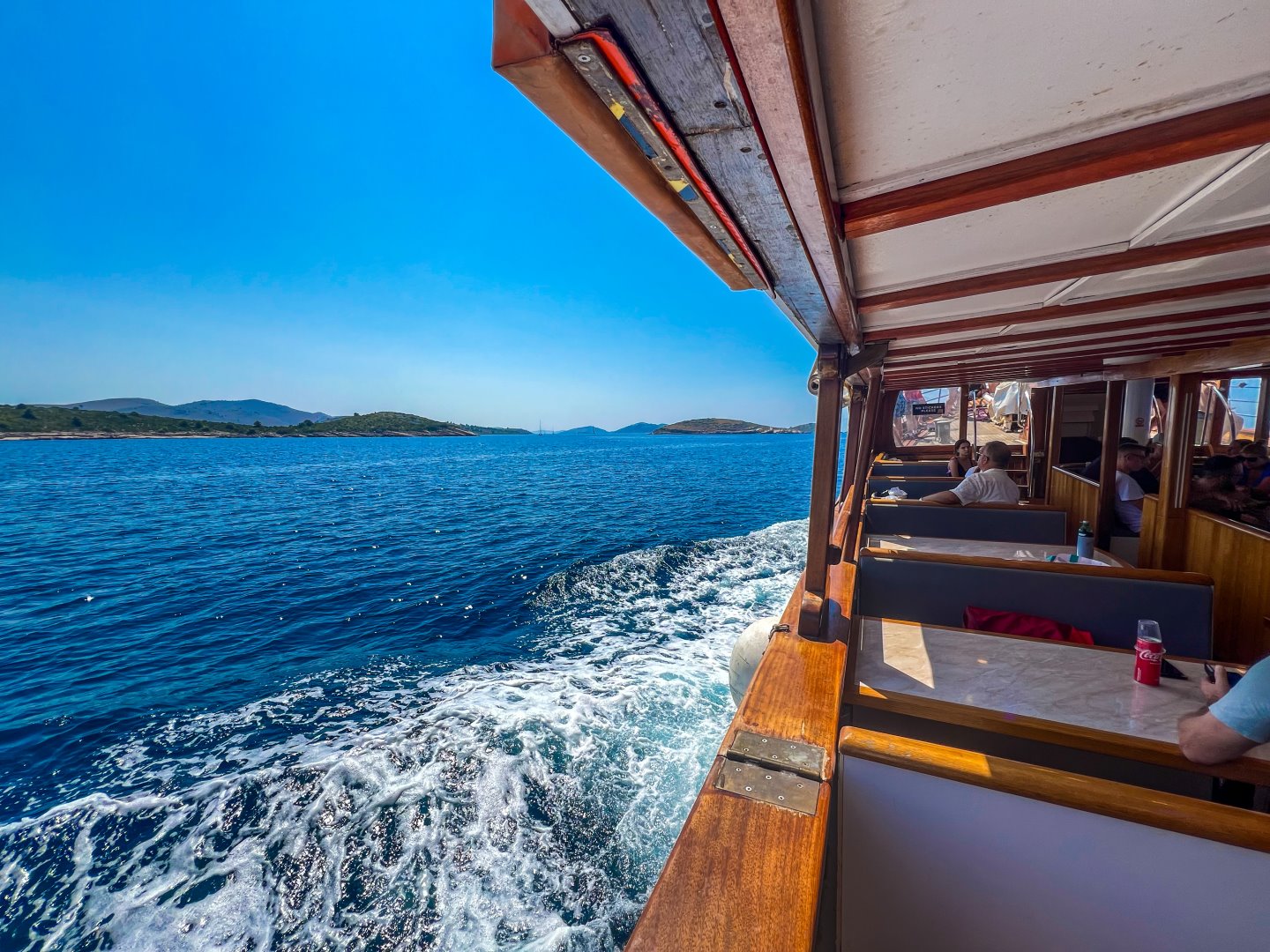
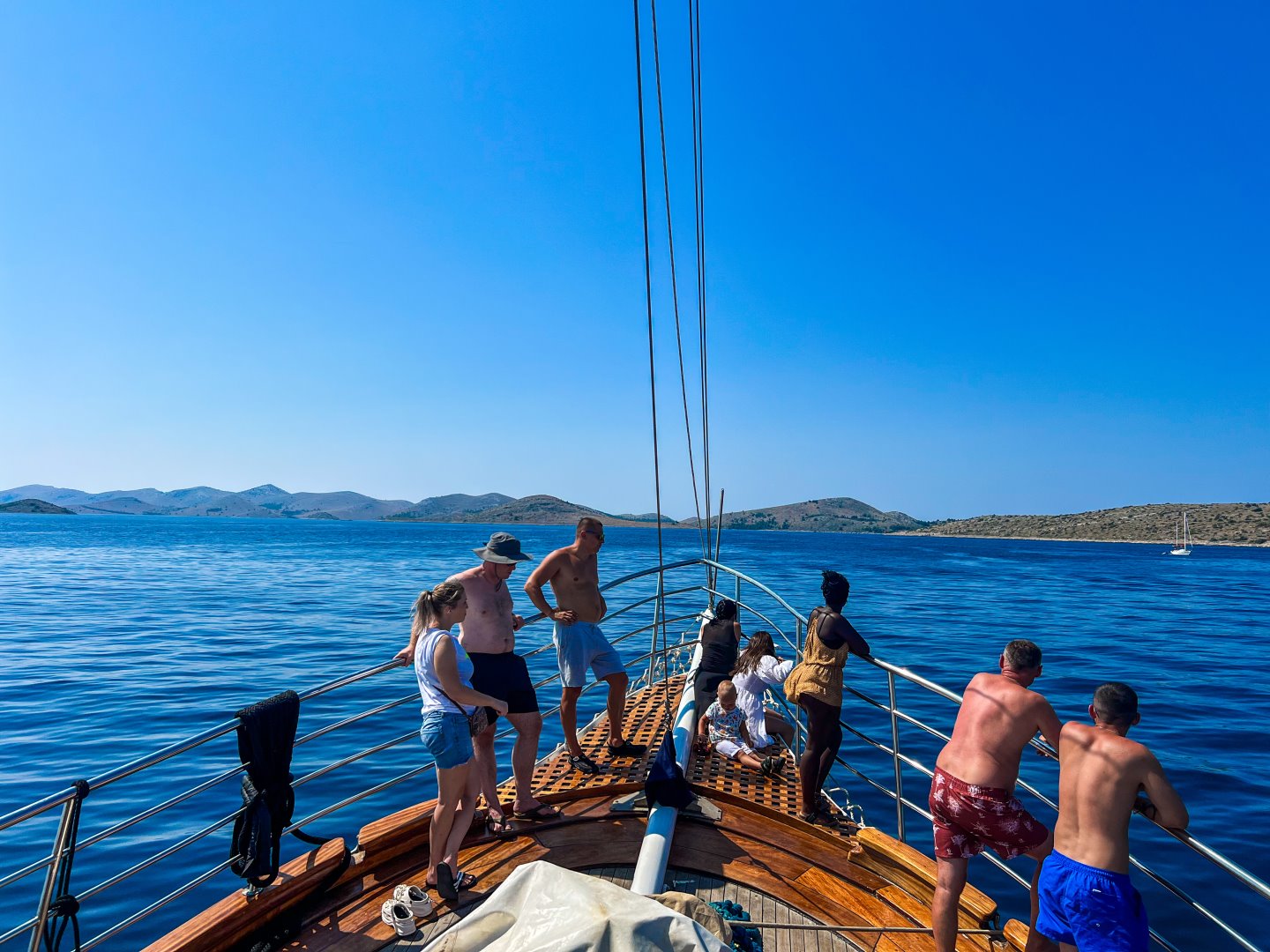
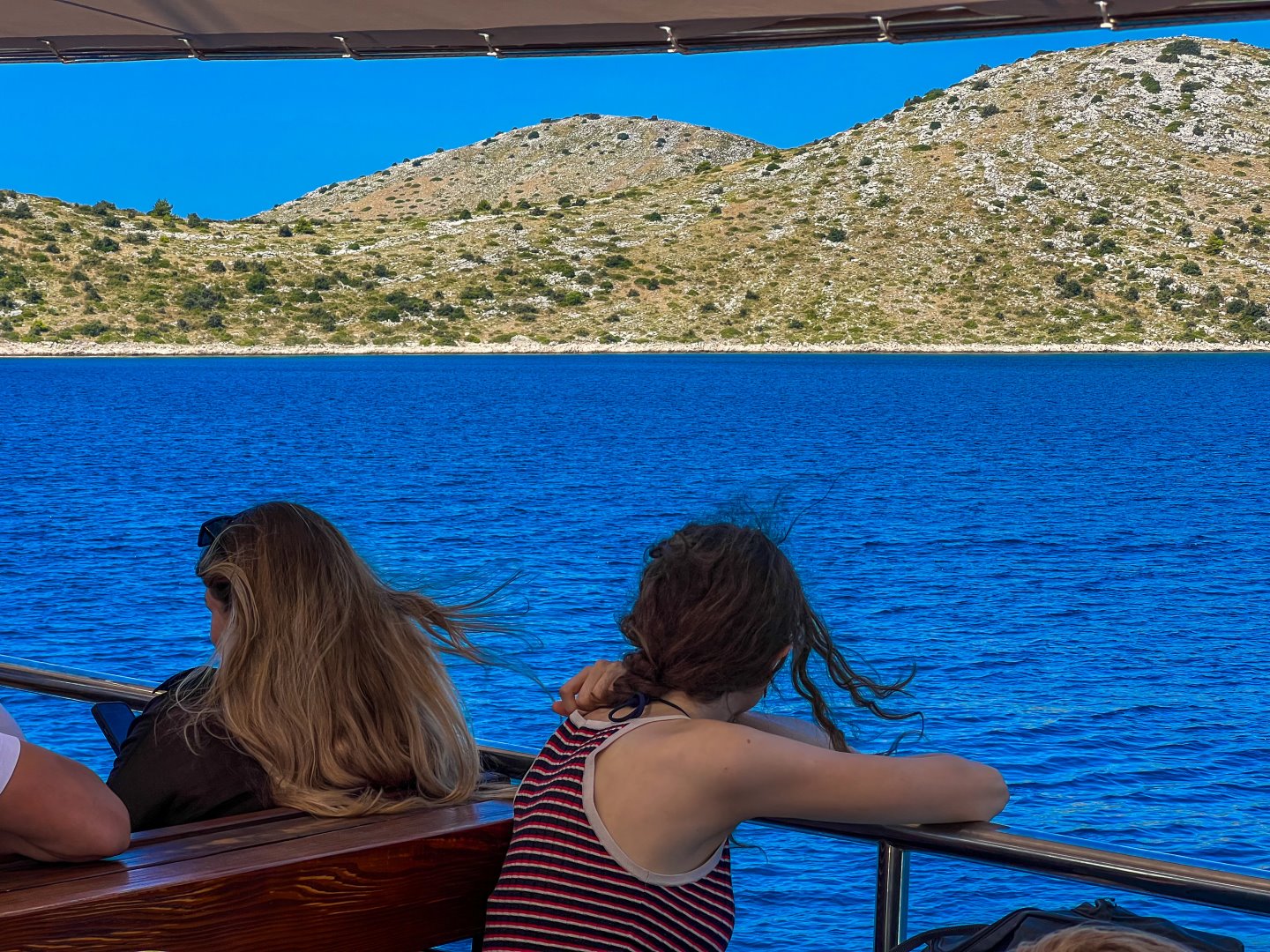
8.00 - 10:30 Cruise among the islands of the Zadar archipelago
- welcome aperitif
- breakfast (sandwich)
- beautiful views
10:30 Arrival in Levrnaka Island - Lojena beach
10:30 - 12:30 Free time on Lojena Beach
- swimming and sunbatching
12:30 Departure from Levrnaka Island
12:30 - 13:00 Cruise to Kornat Island
13:00 Arrival in Kornat Island
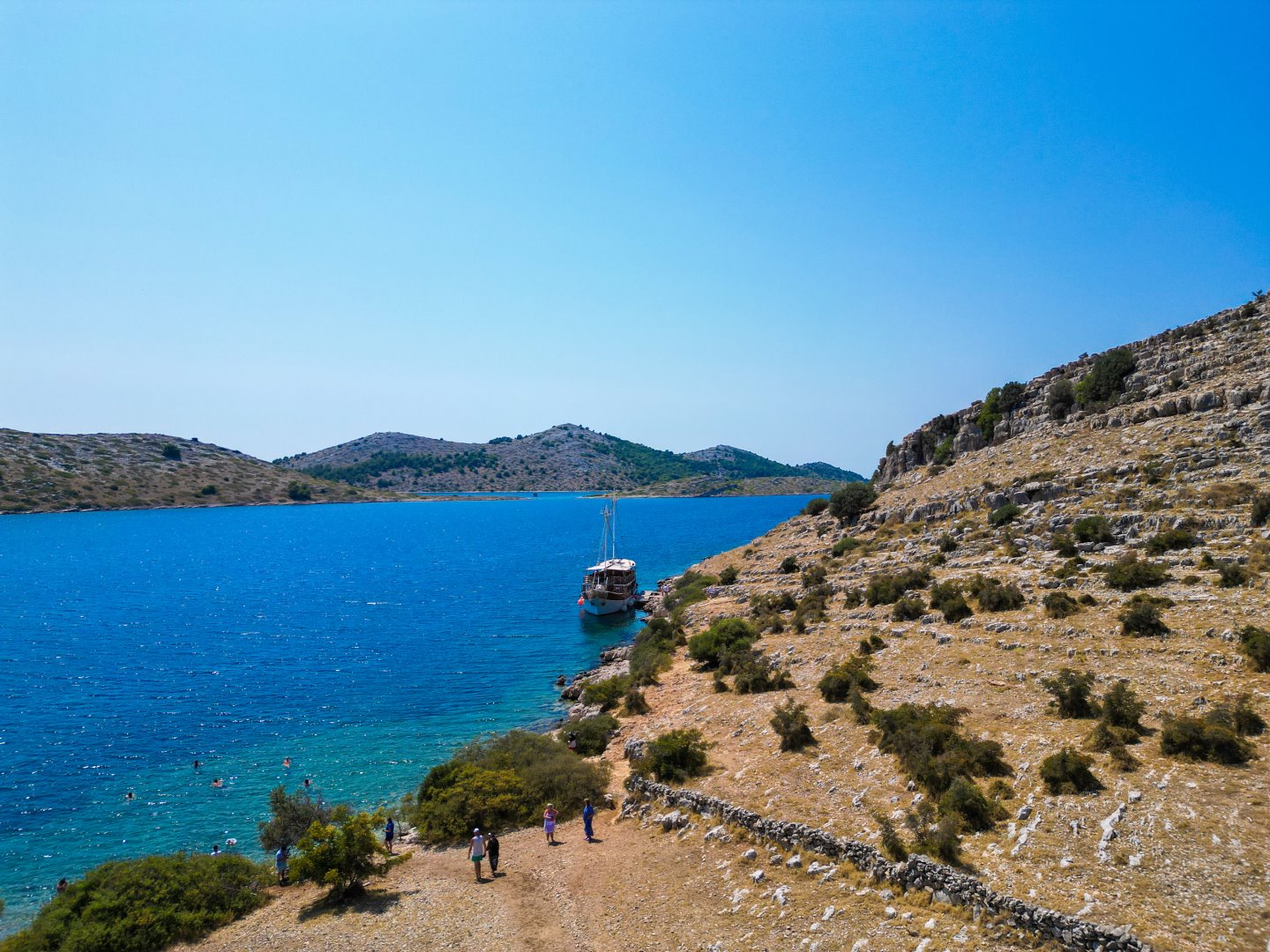
13:00 - 14:00 Free time on Kornat island
- hiking
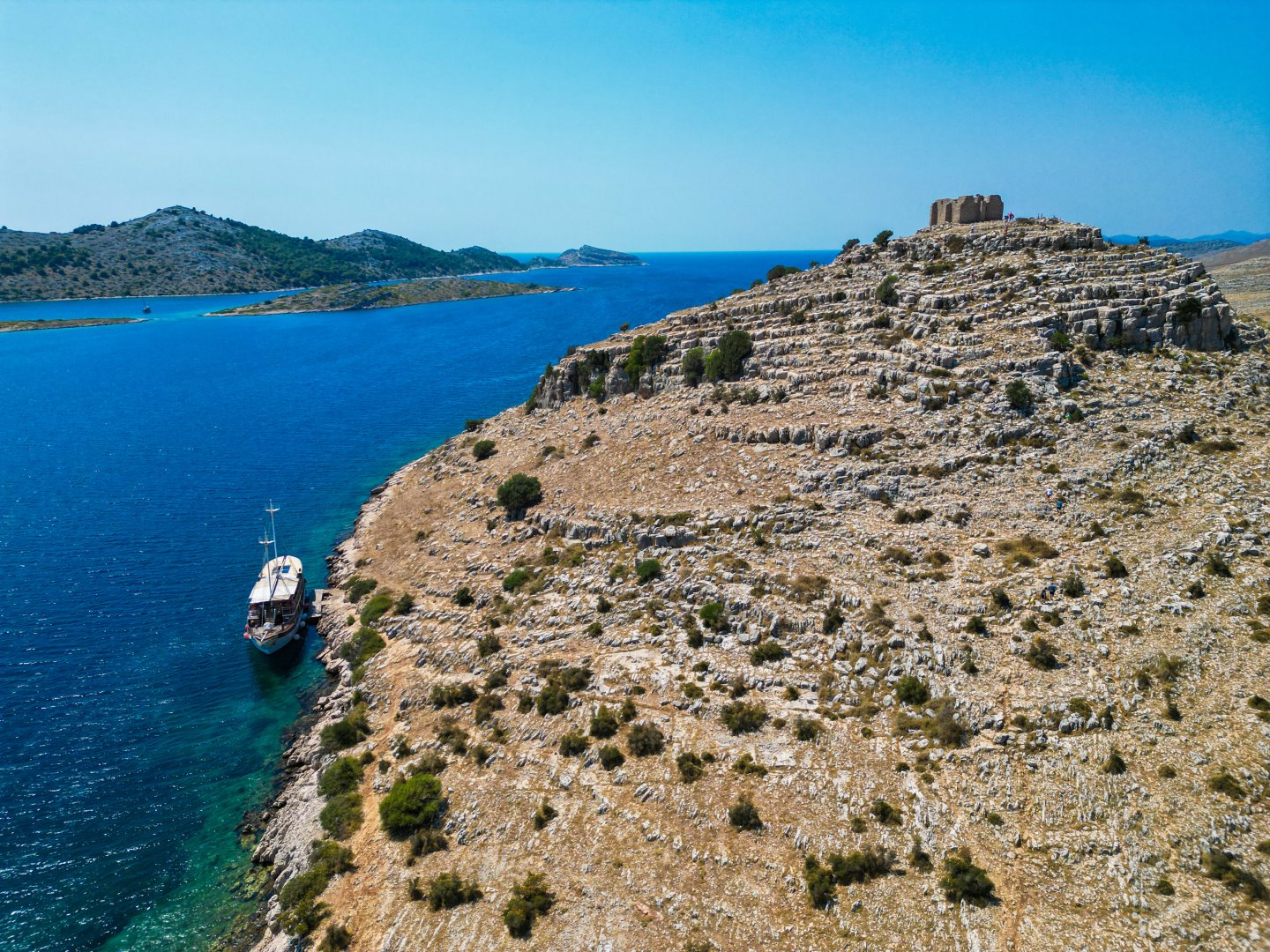
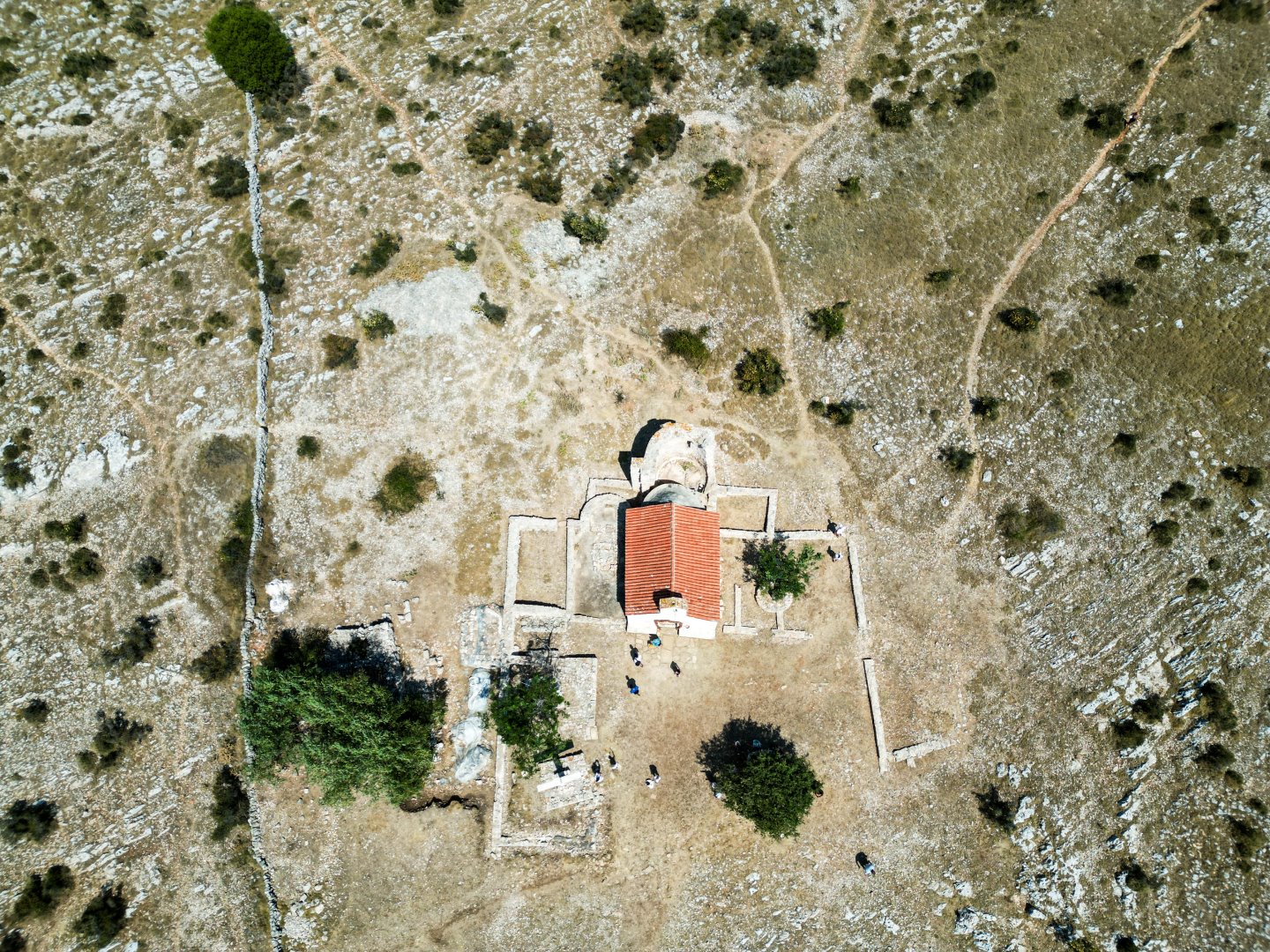
- archaeological remains of byzantine Tureta fortress and Church of Lady of Tarac
14:00 Departure from Kornat island
14:00 - 16:00 Cruise to Ugljan Island
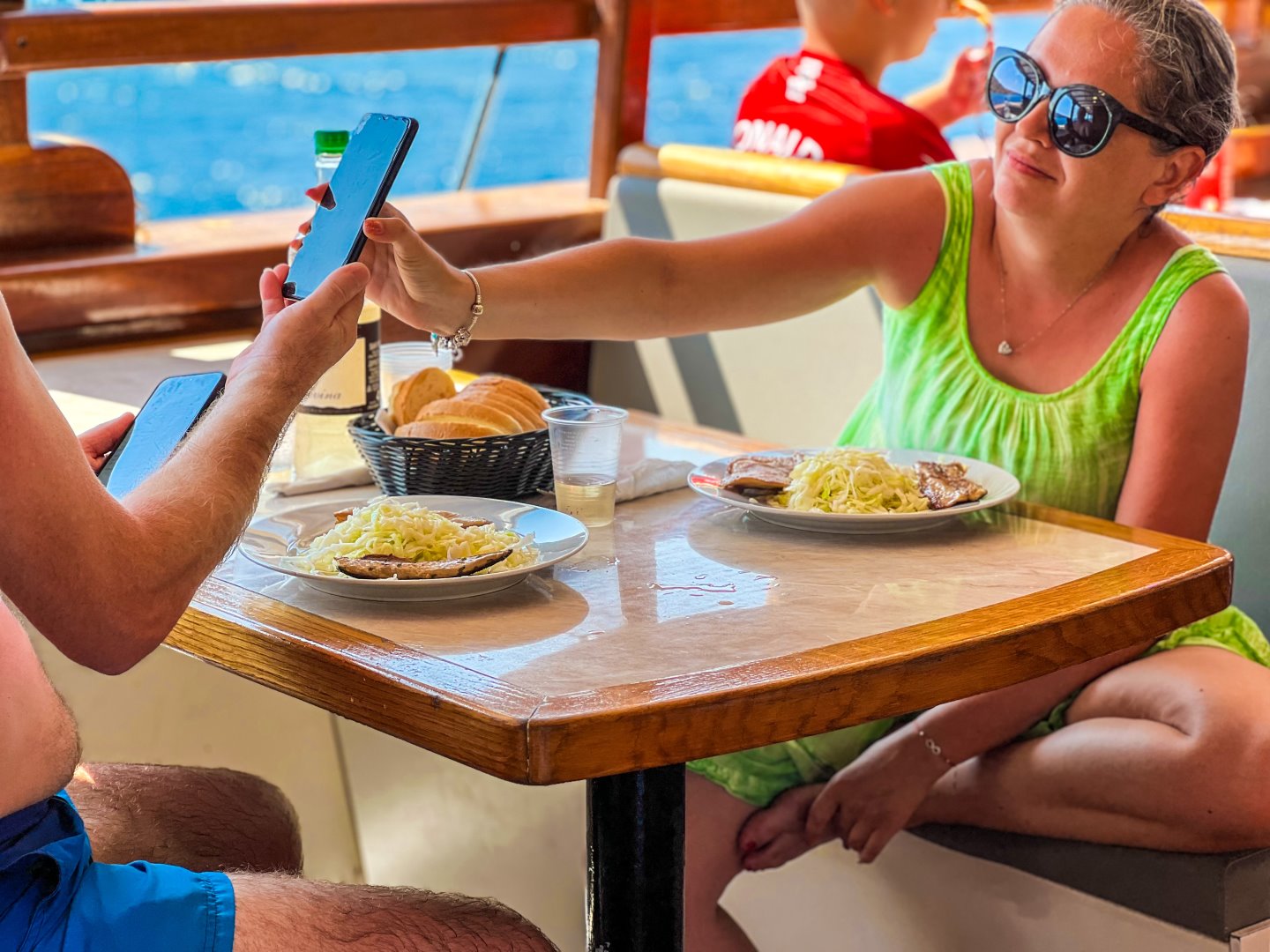
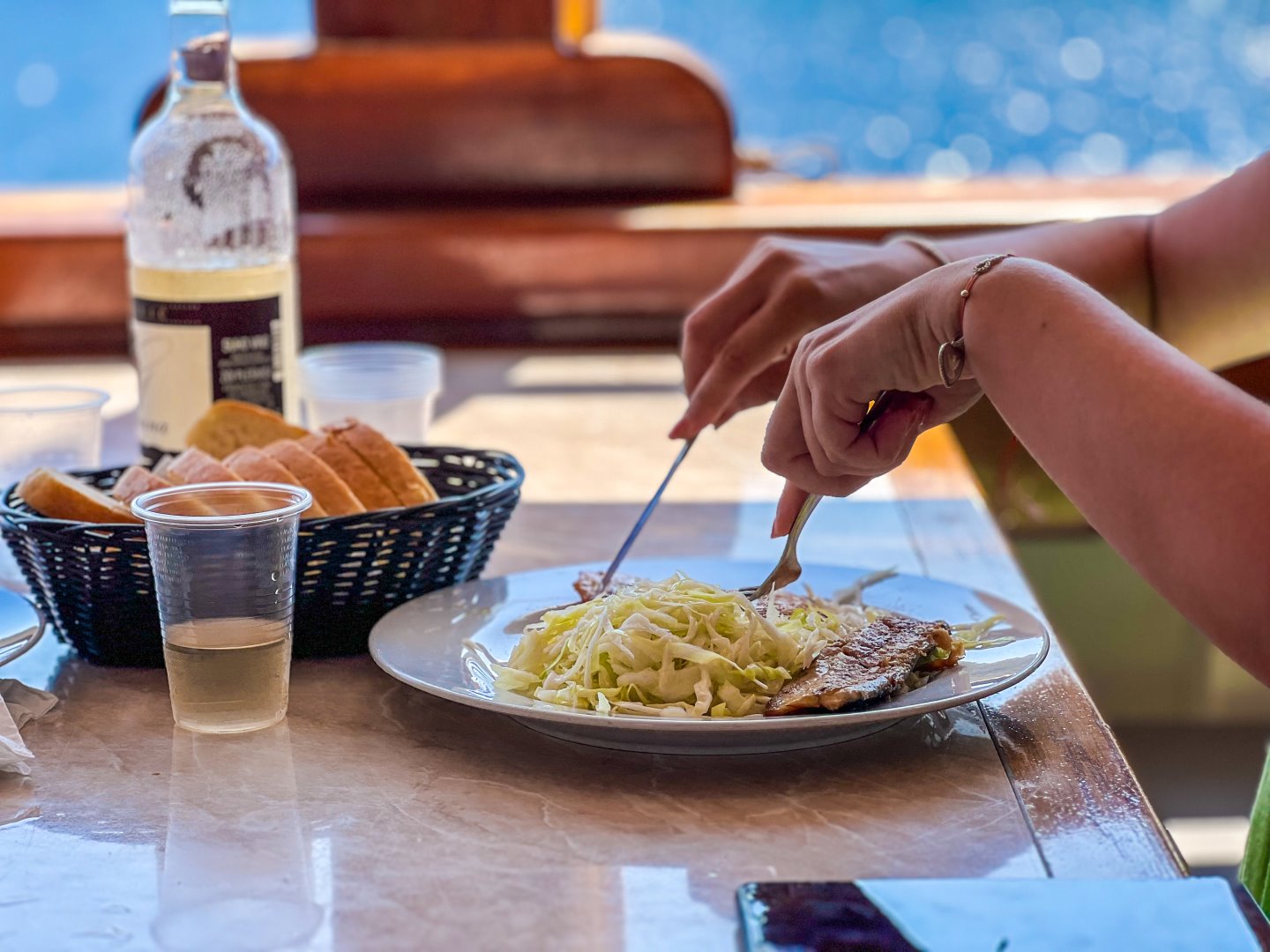
- lunch onboard- grilled fish with a salad or a vegetarian menu (pasta in a tomato sauce)
16:00 Arrival in Kali on the island of Ugljan
16:00 - 17:00 Free time in Kali, Island of Ugljan
- free time at the beach and sunbathing
- possibility of relaxation in the beach bar
17:00 Departue from Kali
17:00 - 17.45 Return cruise among the Zadar chanel
17:45 - ZADAR, excursion port in the old city, next to the pedestrian bridge - Liburnska Obala (GPS 44.116240, 15.228428)
- arrival and disembarkation
_________________________________________________________________
YOU MUST KNOW BEFORE DEPARTURE
- the hours of each point of the program are approximate (except for the time of departure) and may change slightly depending on the current situation during the cruise; guests are obligated to obey the meeting hours given by the crew during the tour.
- the cruise has a supervisor who speaks English
- your safety is most important to us, therefore:
- passengers are obligated to comply with all instructions of the master /captain/ of the ship
- the master may cancel, shorten, or change the route of the cruise if necessary e.g. weather conditions change
- the regulations and rules of conduct applicable in protected areas must be observed
- you must not remove any living organisms from the sea, including mussels, crayfish, snails or their shells (some species are protected and the mere possession of such a specimen can result in a very high fine! However, you cannot use the excuse of ignorance!)
- pets are welcome on board (must be notified before departure)
- take with you:
- sunglasses
- swimsuit
- bathing shoes
- beach towel
- sun hat
- sunscreen
- waterproof jacket (recommended on windy days)
- comfortable footwear
- outerwear that protects against sun and cold
_____________________________________________________
EXCURSION NOT RECOMMENDED FOR:
- people suffering from seasickness
- infants
- wheelchair users
_____________________________________________________
If the cruise must be CANCELED, we will offer you a different excursion date or you will receive a full refund!
CANCELLATION
Free cancellation is possible only up to 24 hours before the scheduled date and time of departure of the ship. If a resignation is submitted after this date, the advance payment is not refundable.
_____________________________________________________
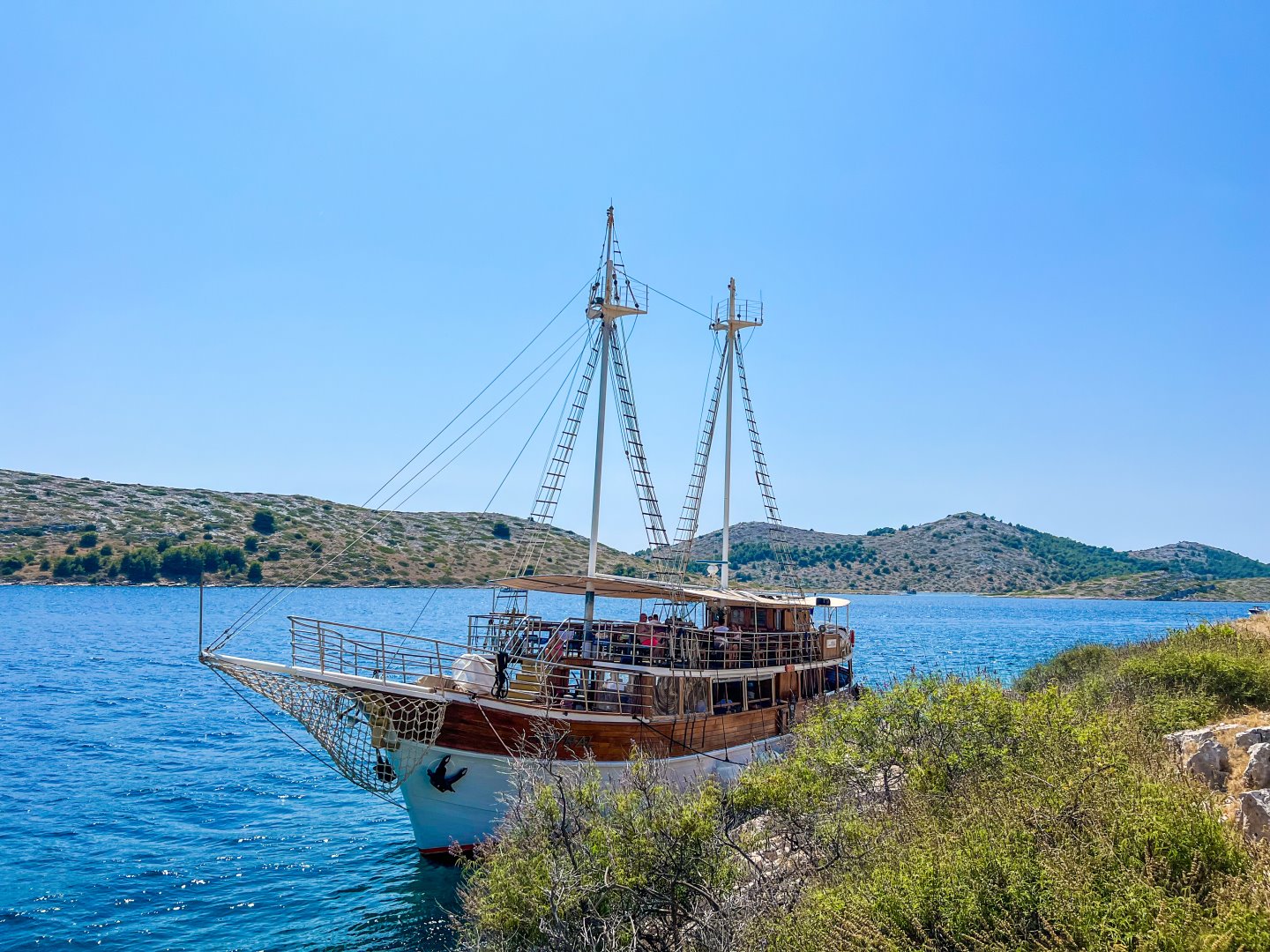
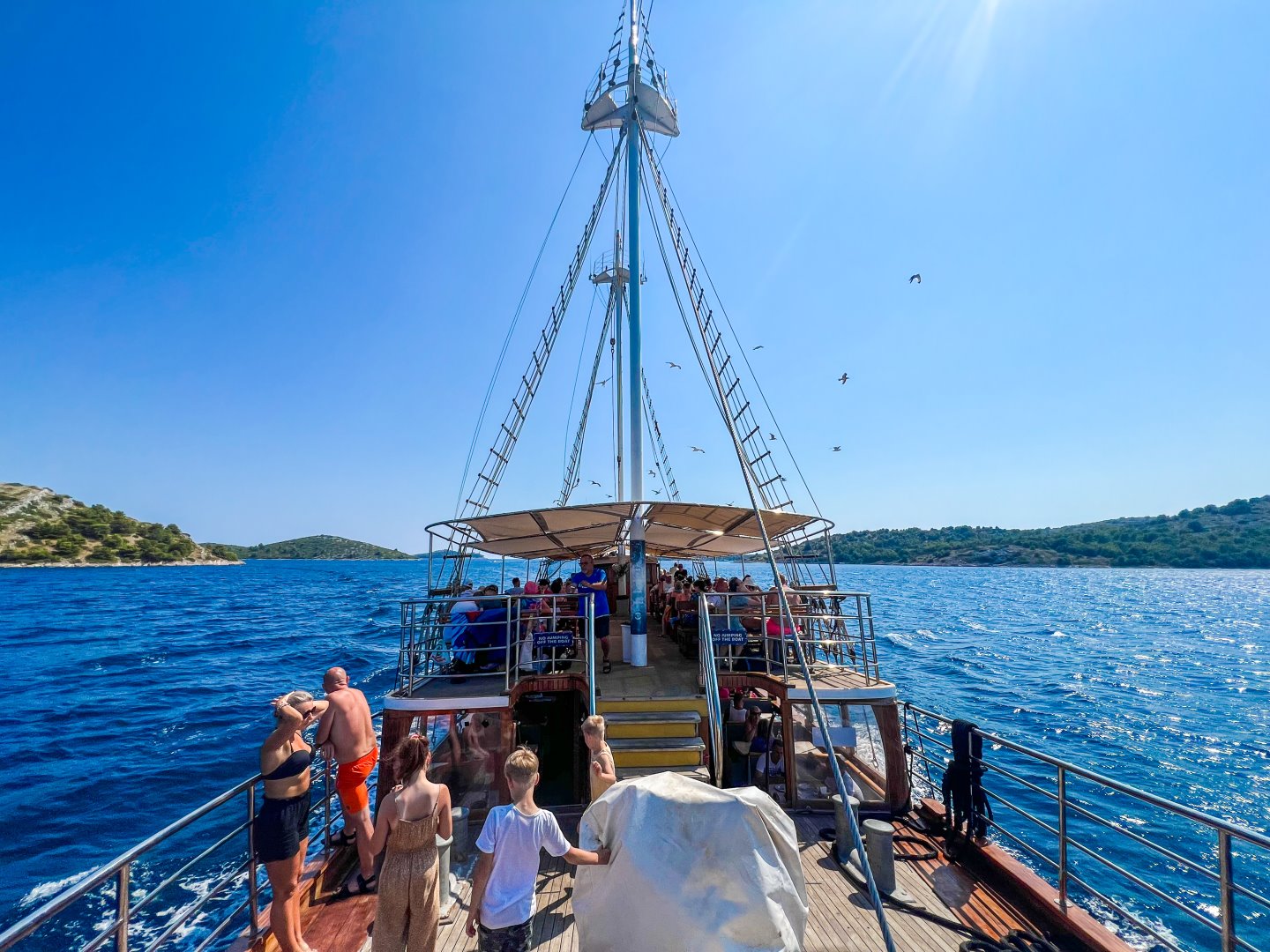
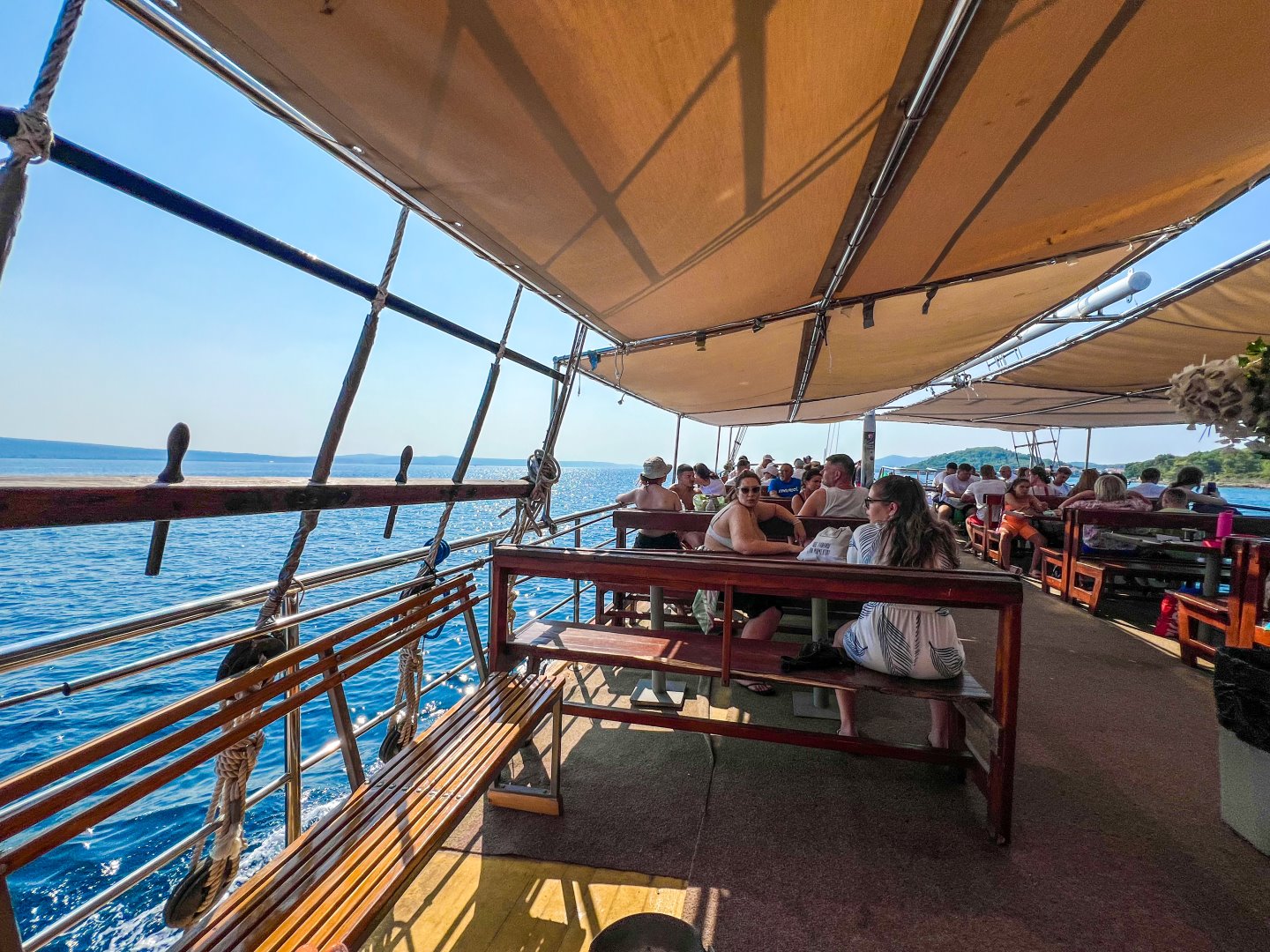
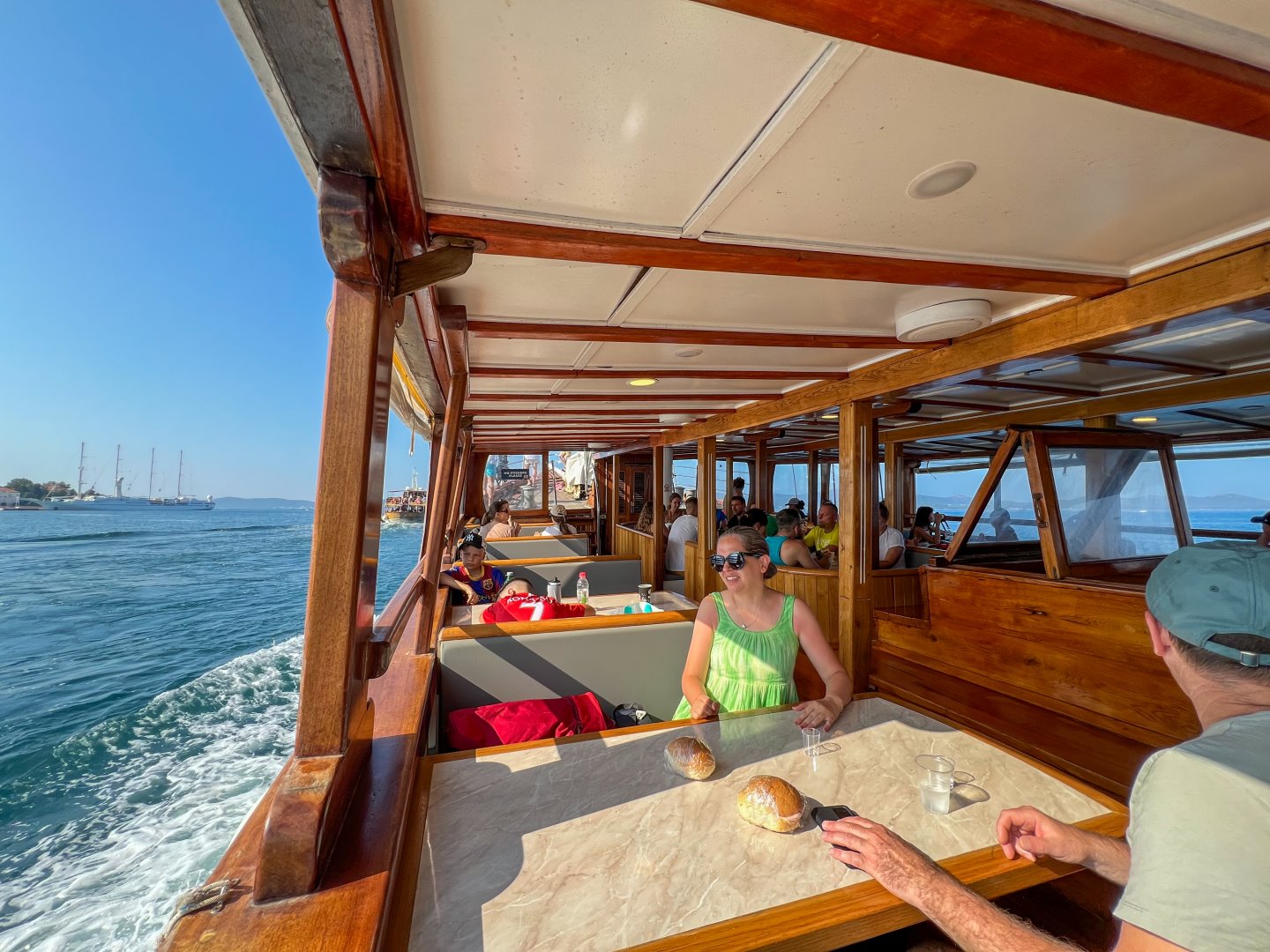
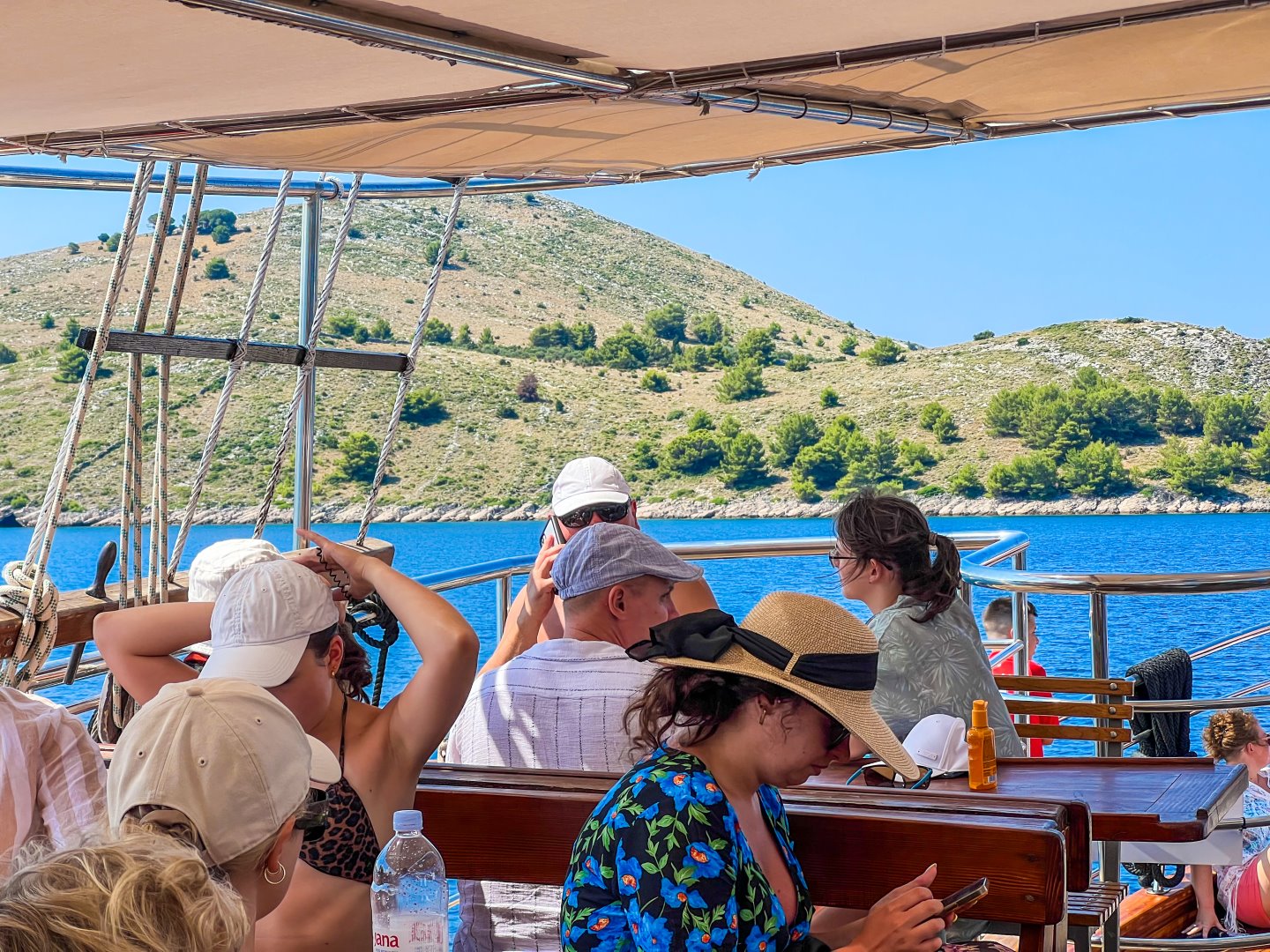
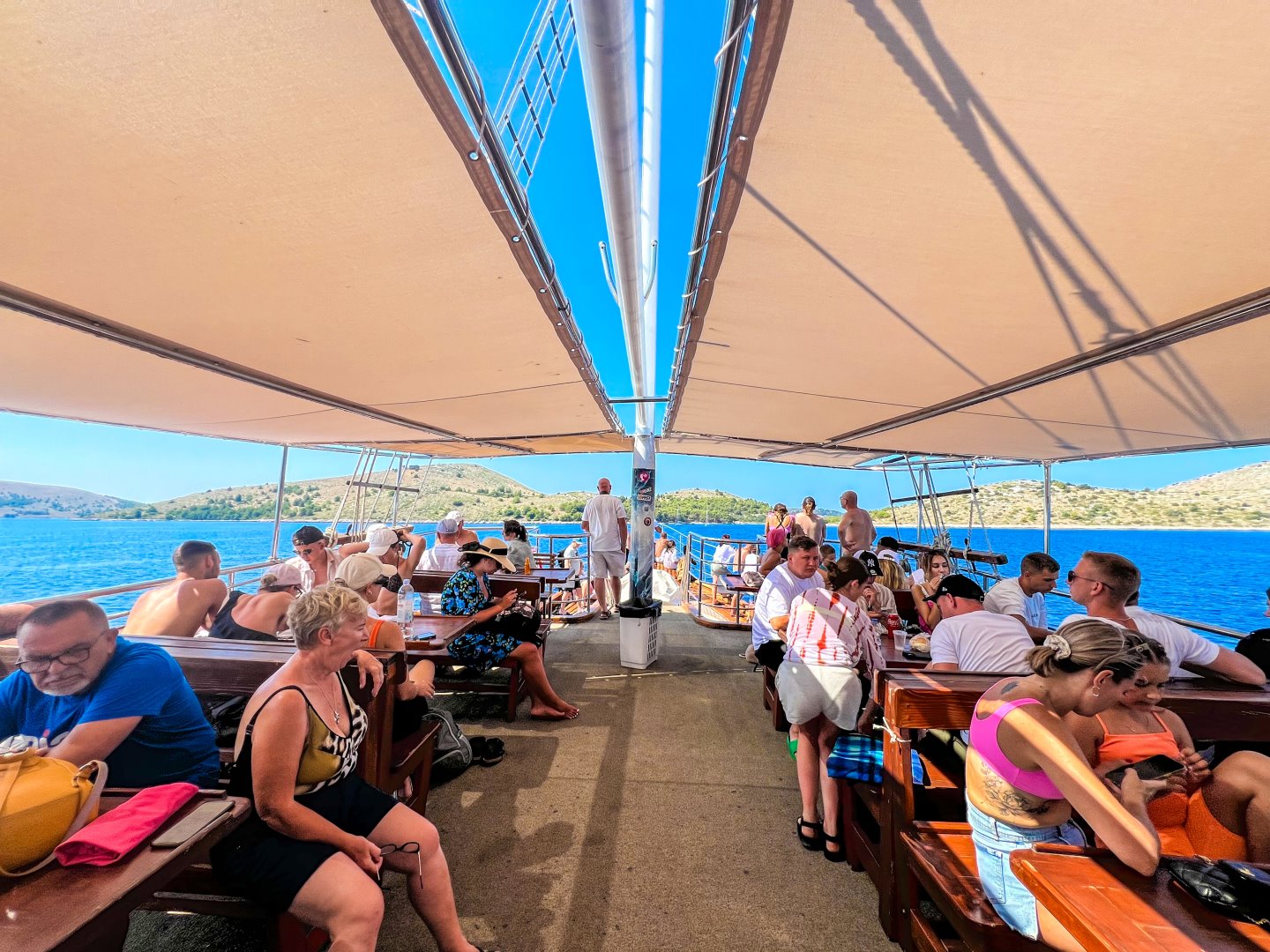
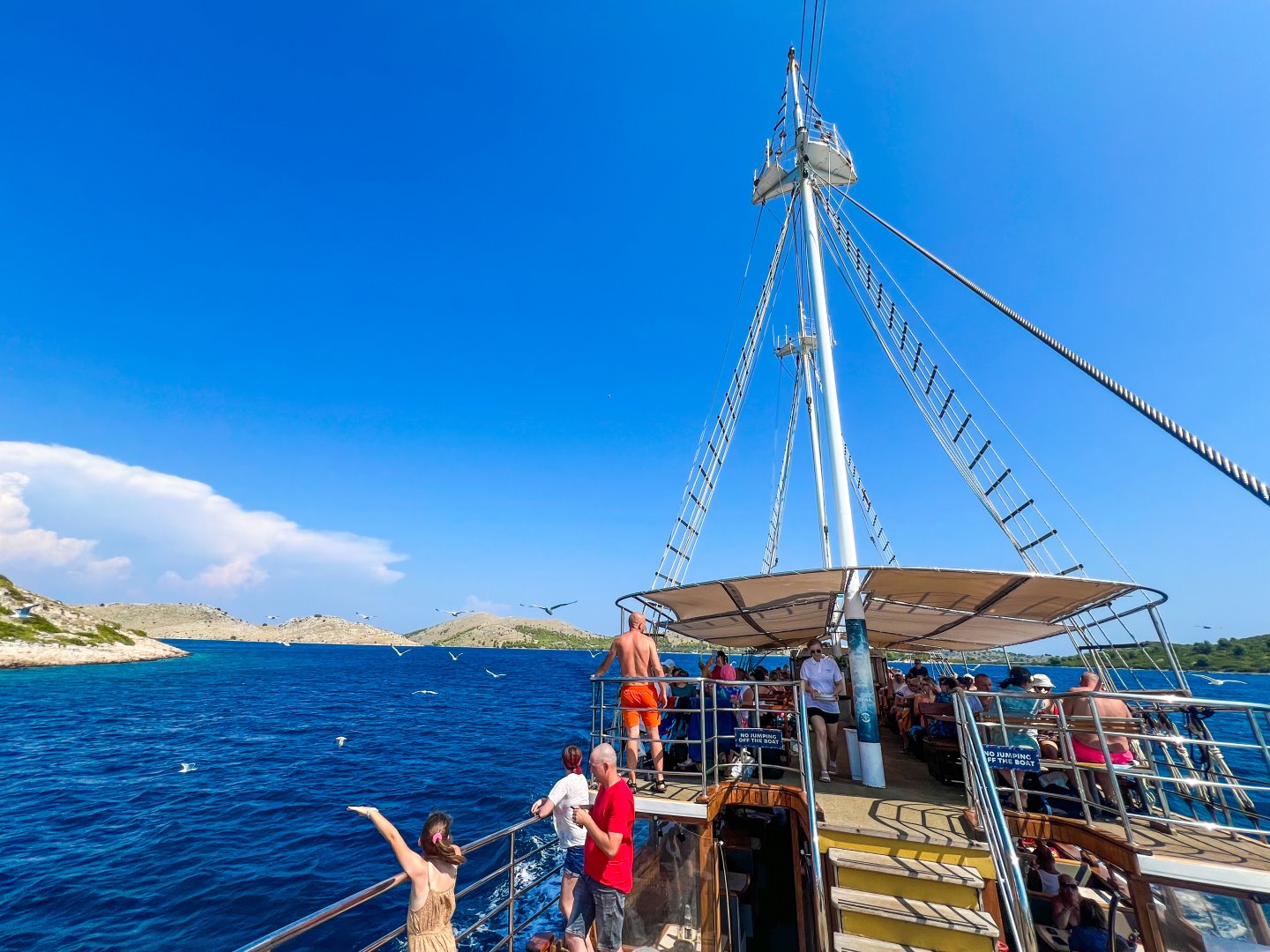
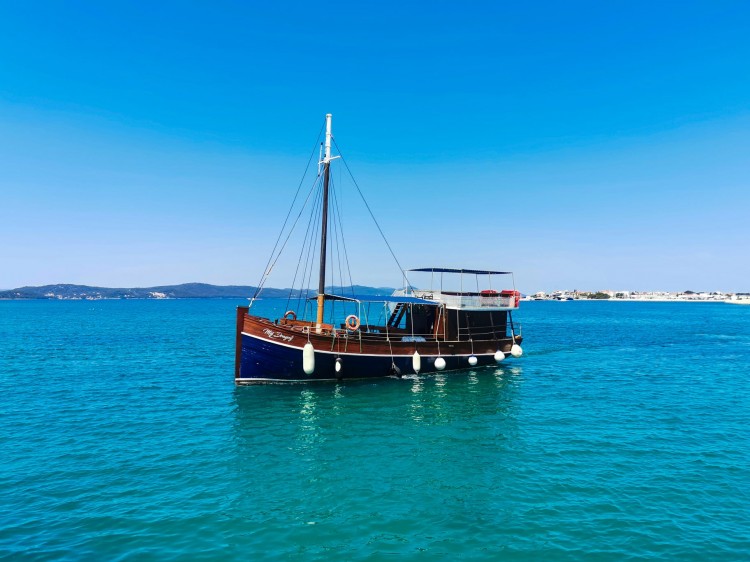
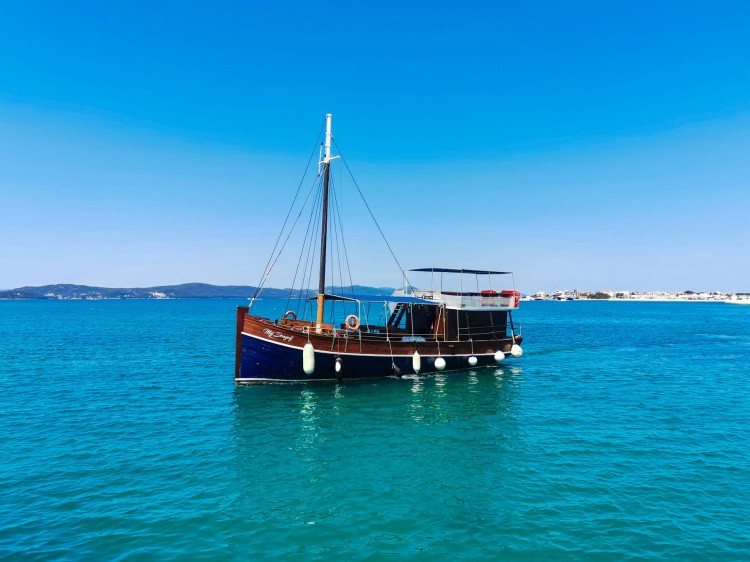
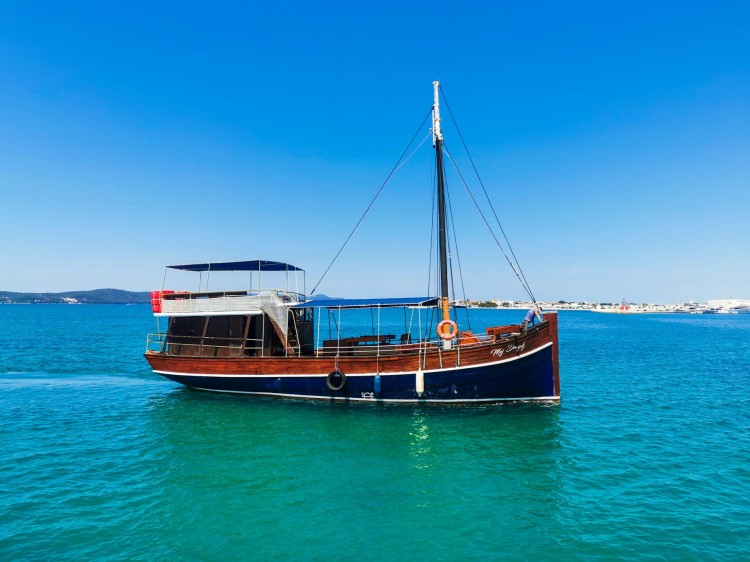
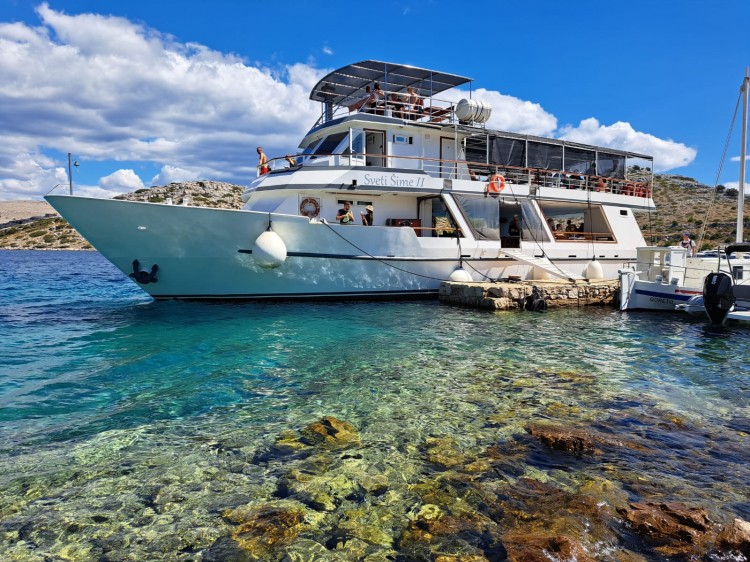
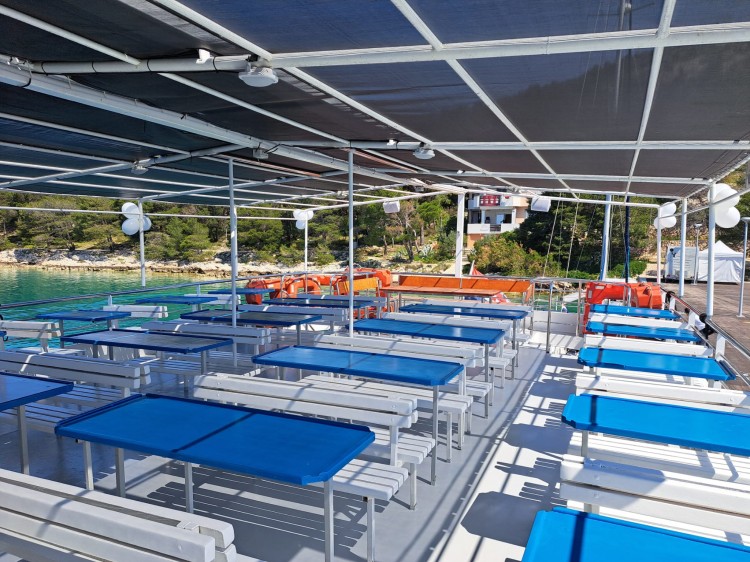
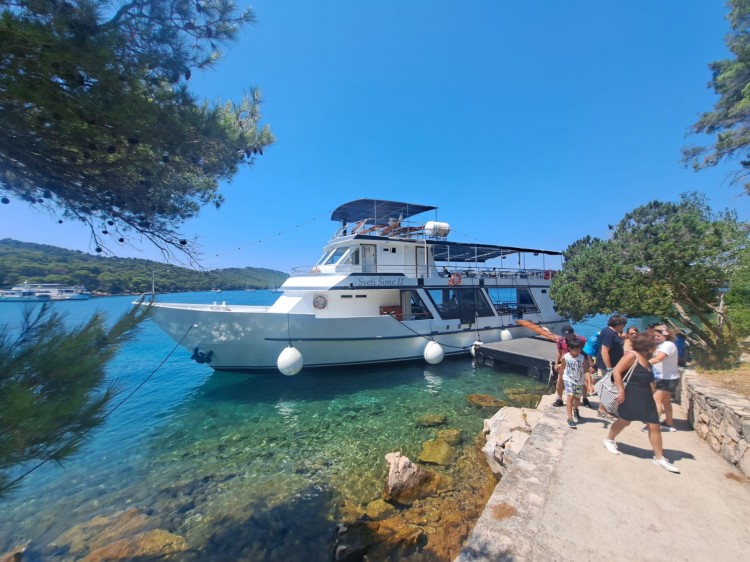
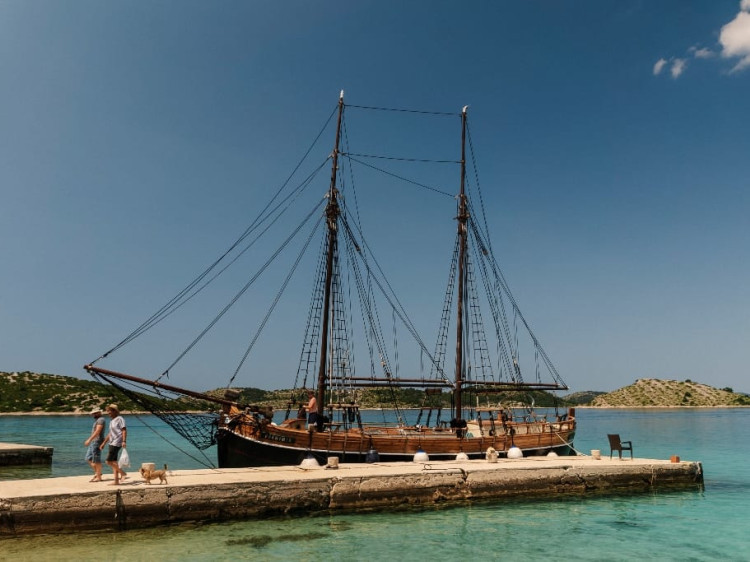
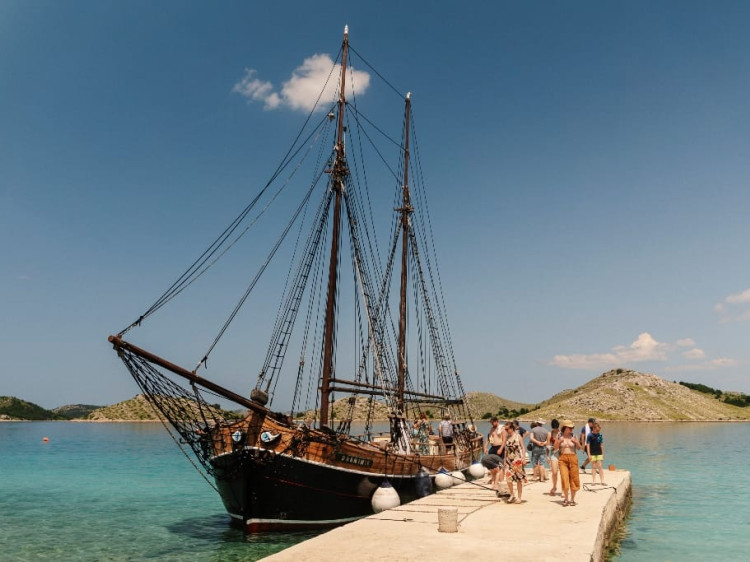
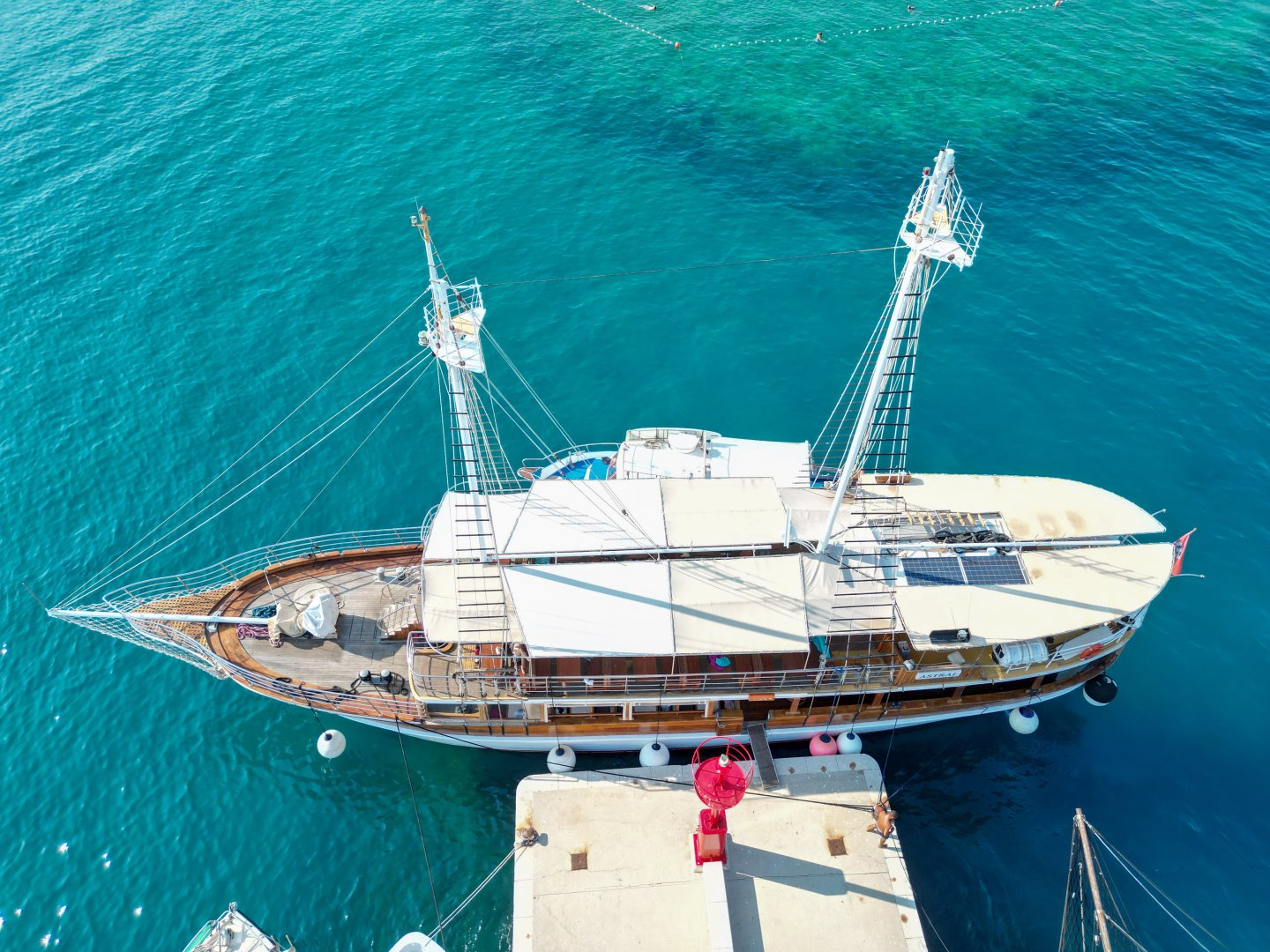
SHIP: M/B Astral, the maximum number of passengers:
LANGUAGE OF THE CRUISE: English, Croatian
Location and Area
Gallery